Ricoh GR IV Monochrome: First Impressions from a Black and White Photographer
I sold cameras to buy this one. Here’s whether it was worth it.
The moment I heard Ricoh was releasing a monochrome version of the GR series, I started making a mental list of cameras I could sell. I’ve wanted a dedicated mono camera for a long time, but the Leica Q2 Monochrome and the Leica M Monochrome were never a real option for me. The image quality is undeniable, but the price justification just wasn’t there.
Then I started thinking more carefully about what I actually needed. I shoot stopped down a lot when I’m documenting street life and doing creative portraits. I’m not wide open trying to obliterate backgrounds. So did I really need full frame? Did I need all those megapixels and that fast glass? The honest answer was no. I just needed something that shot in monochrome and did it brilliantly. The GR IV Monochrome is exactly that camera.
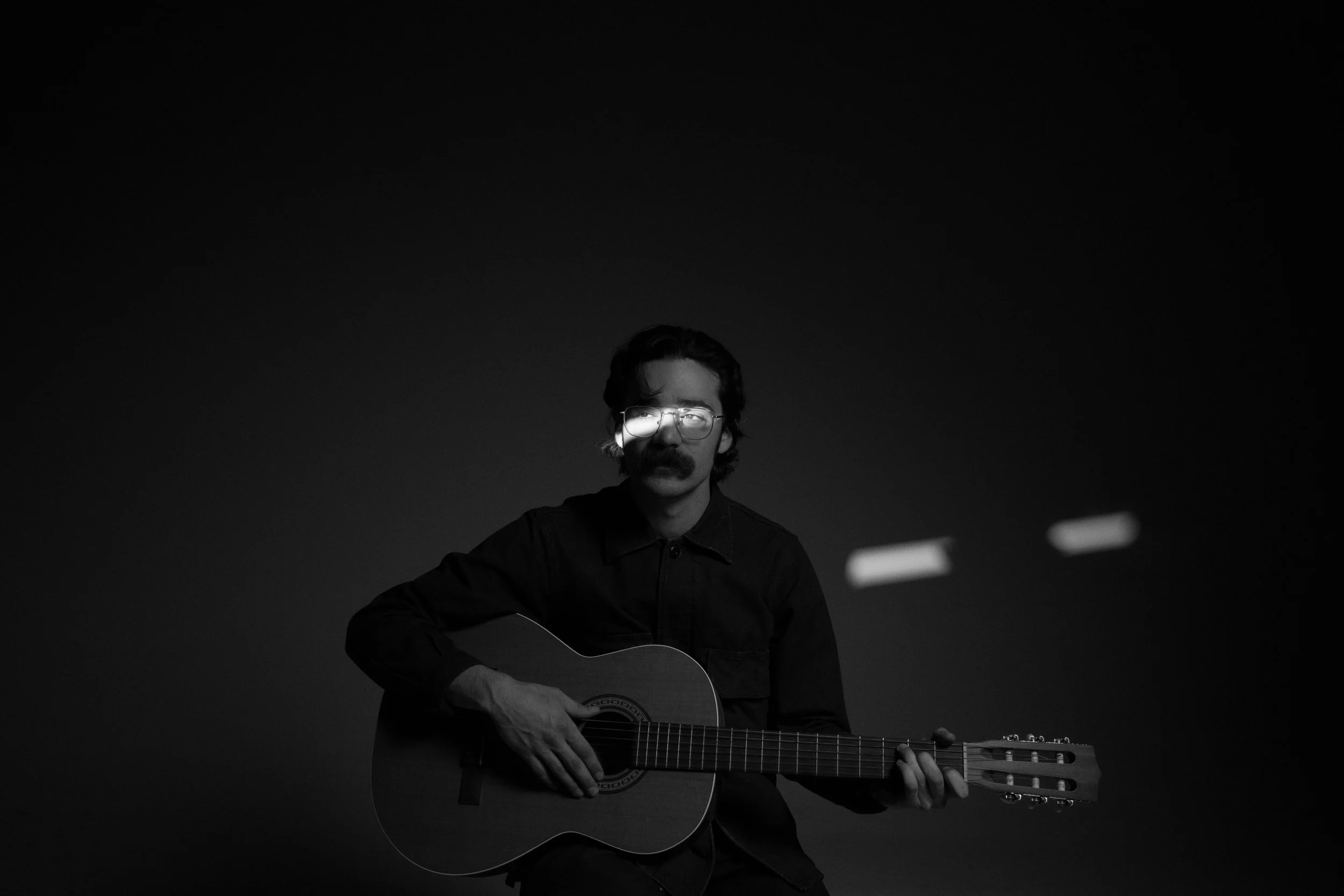
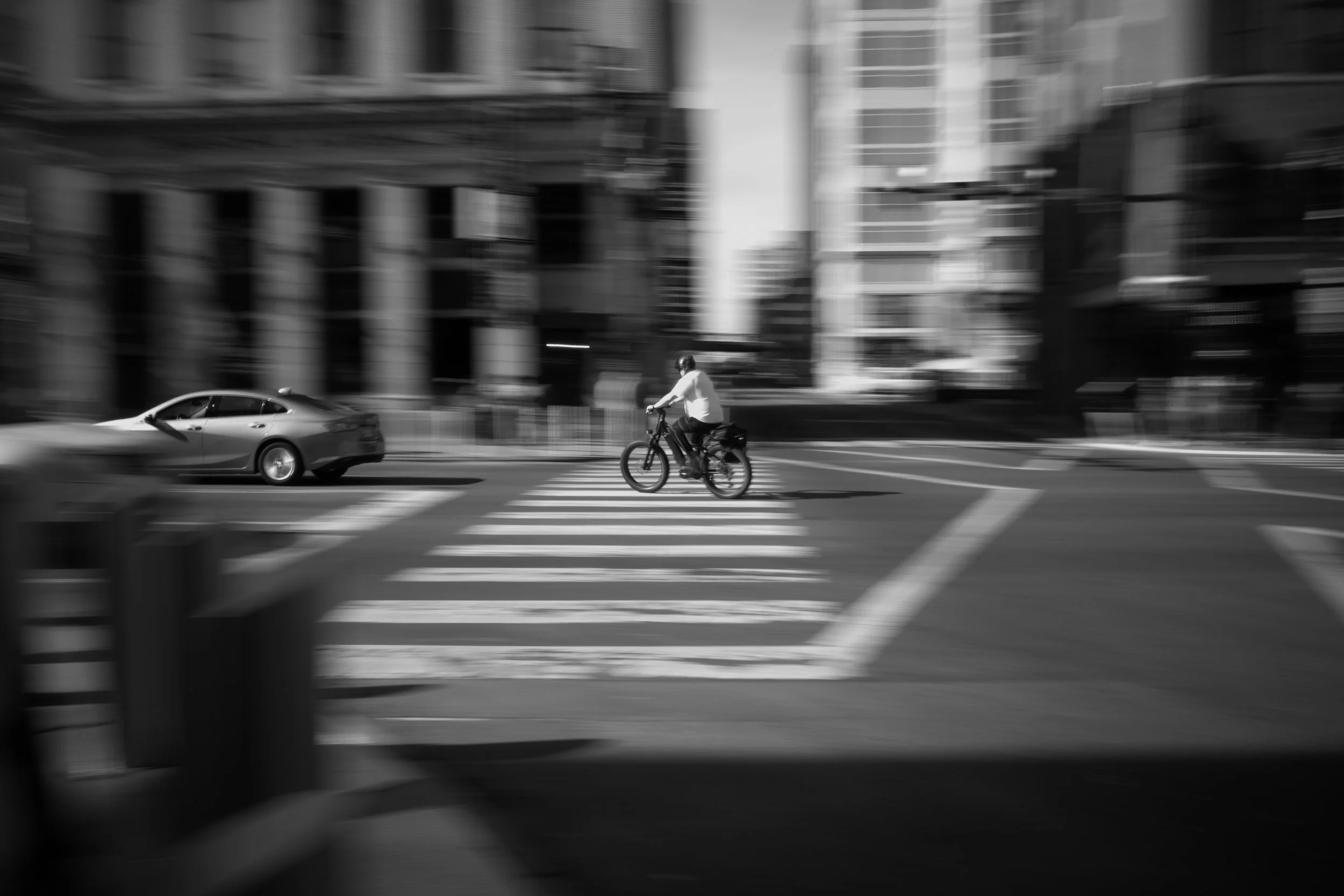
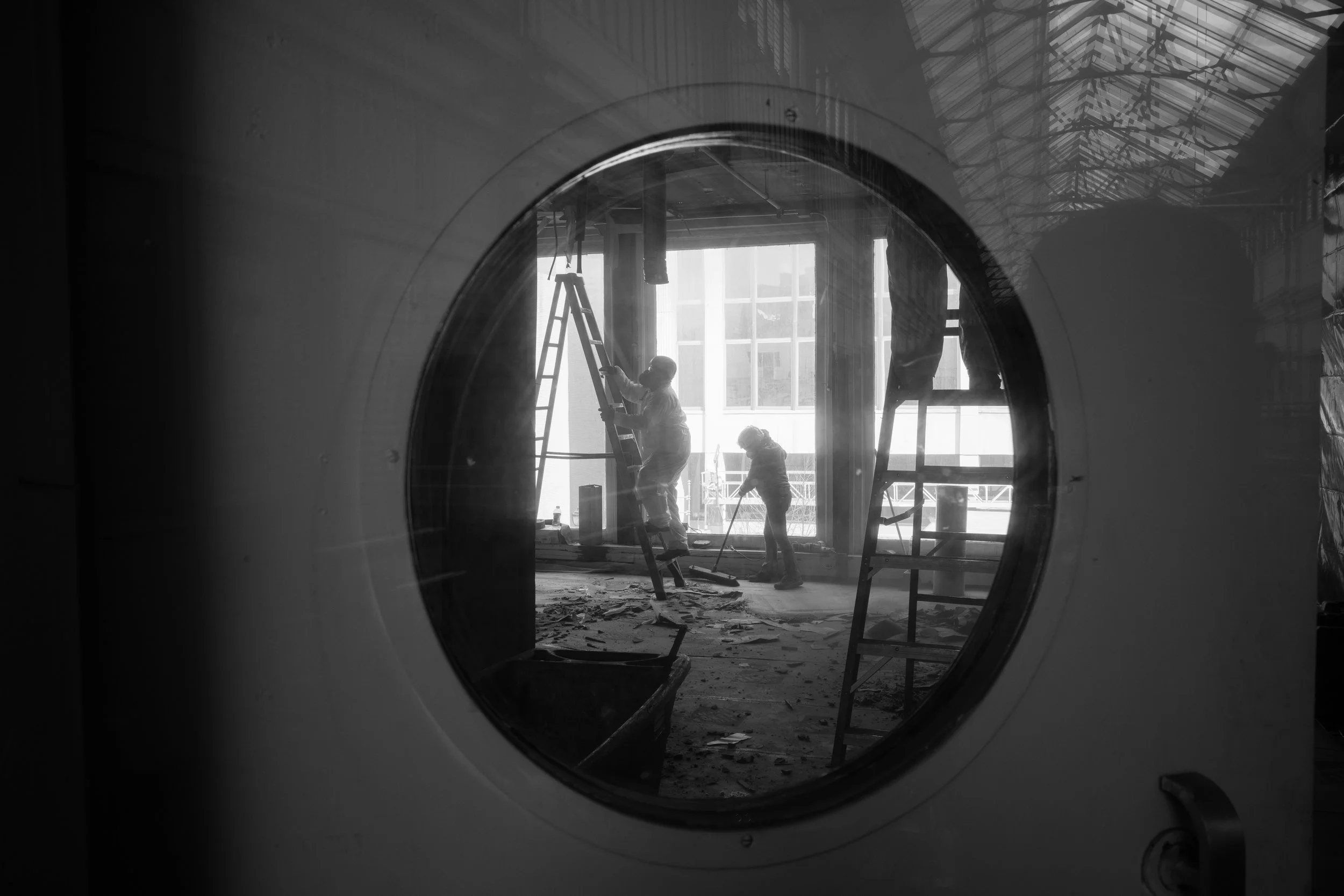
f/10 1/125 ISO:2,500
Why I Wanted a Mono Camera in the First Place
Every camera I own is set up to show a black and white preview over my RAW files. I shoot in monochrome almost exclusively in terms of how I see and frame, I just haven’t had a camera that actually delivered a monochrome file on the other end. The RAWs always come into Lightroom in full color and I’m back to square one.
I’ve told my wife more times than I can count that I think I was born to be a black and white photographer. The clientele to match that hasn’t caught up yet, but my personal work has always lived there. I wanted a camera that made the decision for me, no color, no color correcting, no wondering what direction I’m going to take the edit. Color grading is a lot like video editing in that way: you don’t really know what it’s going to look like until you’re deep into it. I wanted to eliminate that variable entirely.
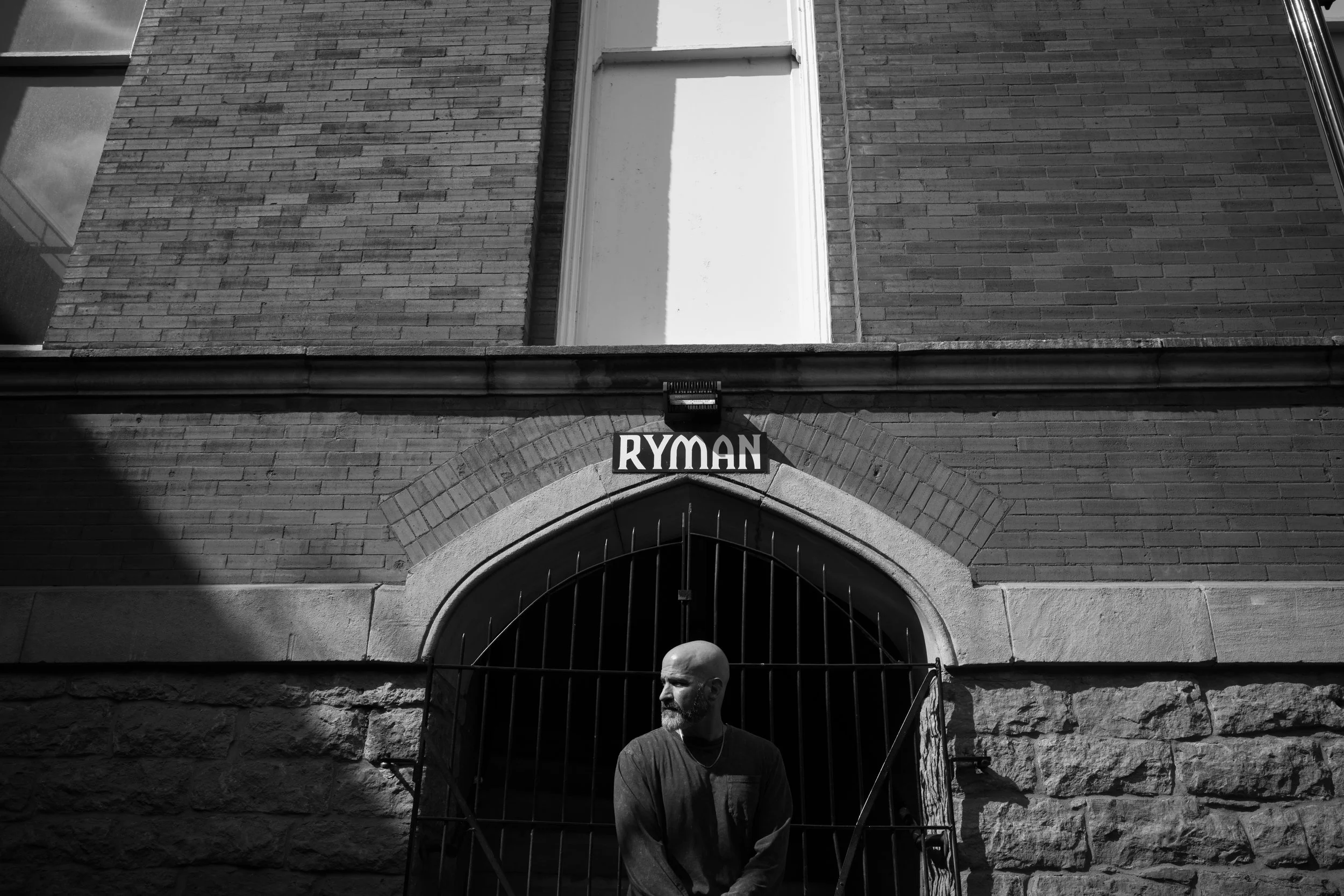
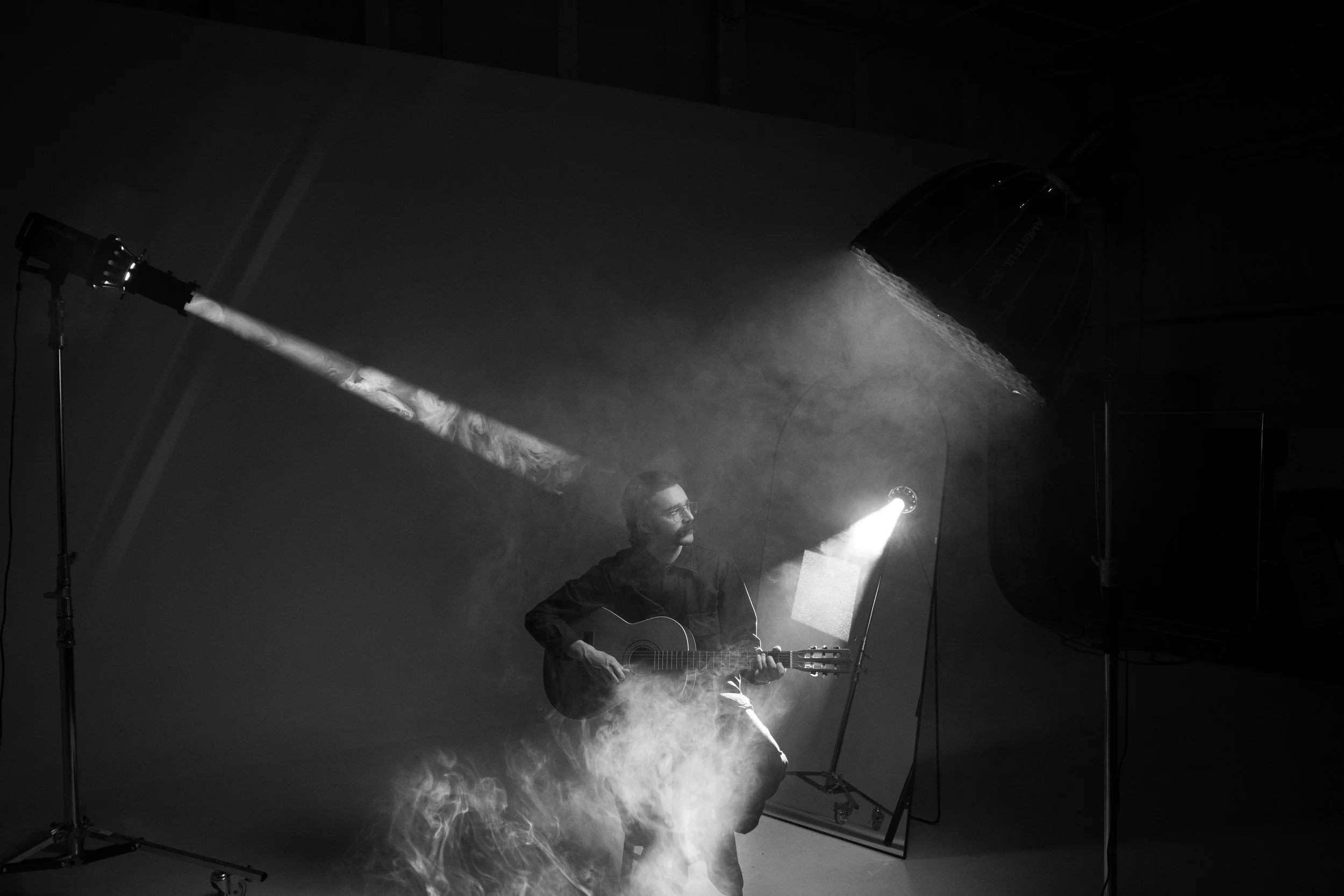
And yes, I know I could shoot JPEG in black and white. But that brings me to the real reason this camera exists in a league of its own: the ISO performance and dynamic range of a filterless monochrome sensor are genuinely in a different category. No Bayer filter means every pixel is capturing full luminance data. The highlight and shadow retention I’ve been getting out of this sensor is honestly mind blowing. High ISO doesn’t produce ugly digital noise, it produces grain that looks like you pushed Tri X in a darkroom. That’s not an accident. That’s what a dedicated mono sensor does.
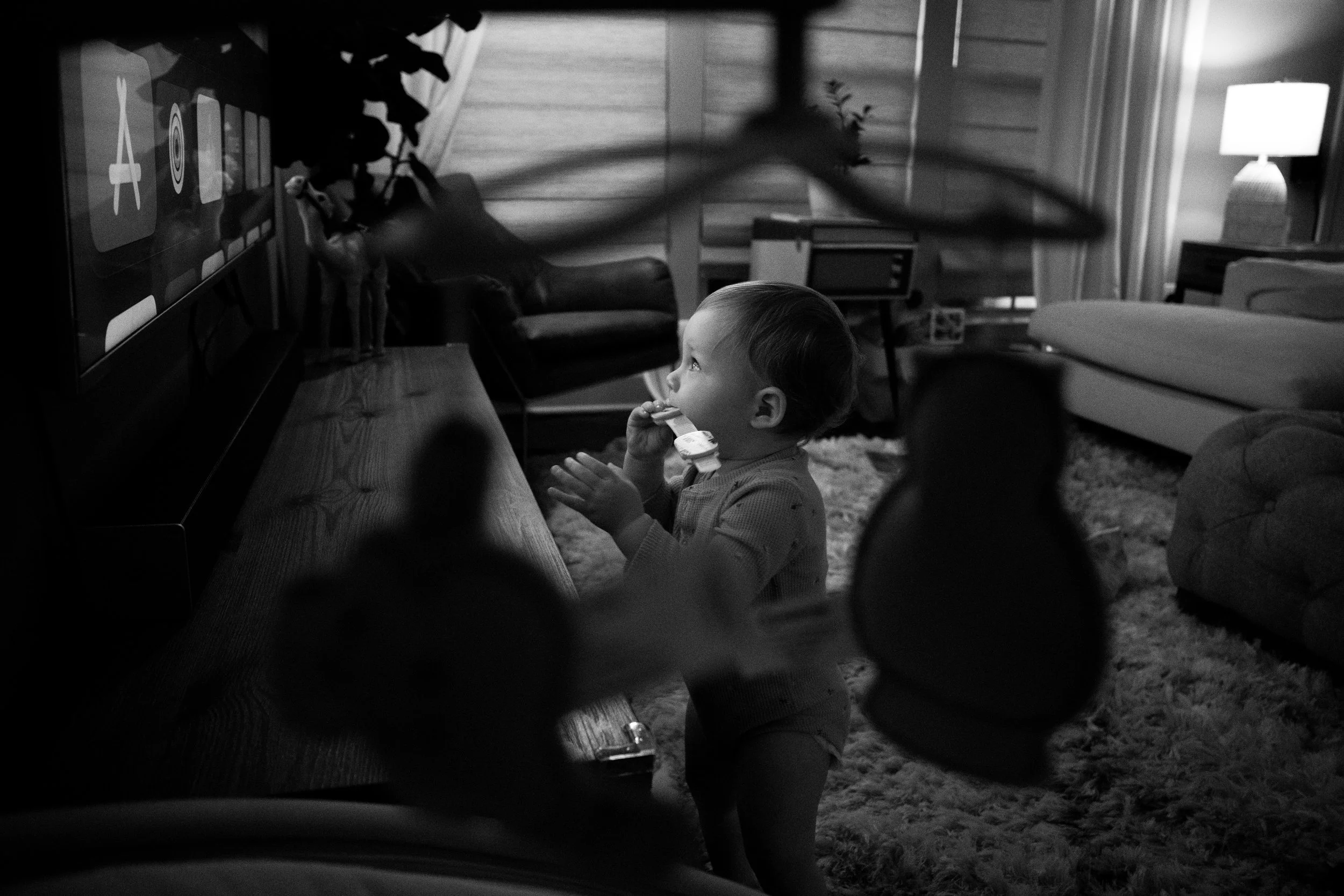
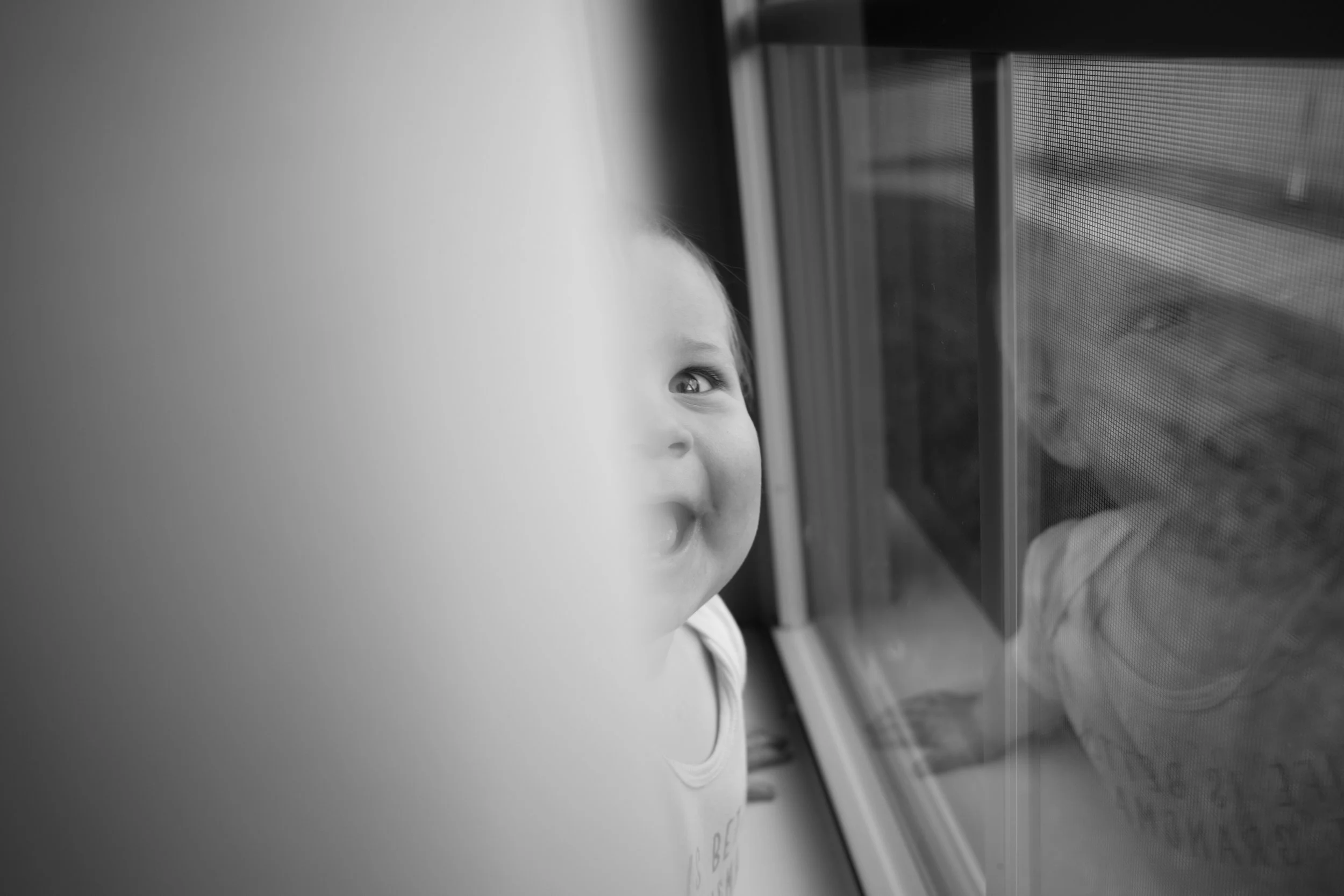
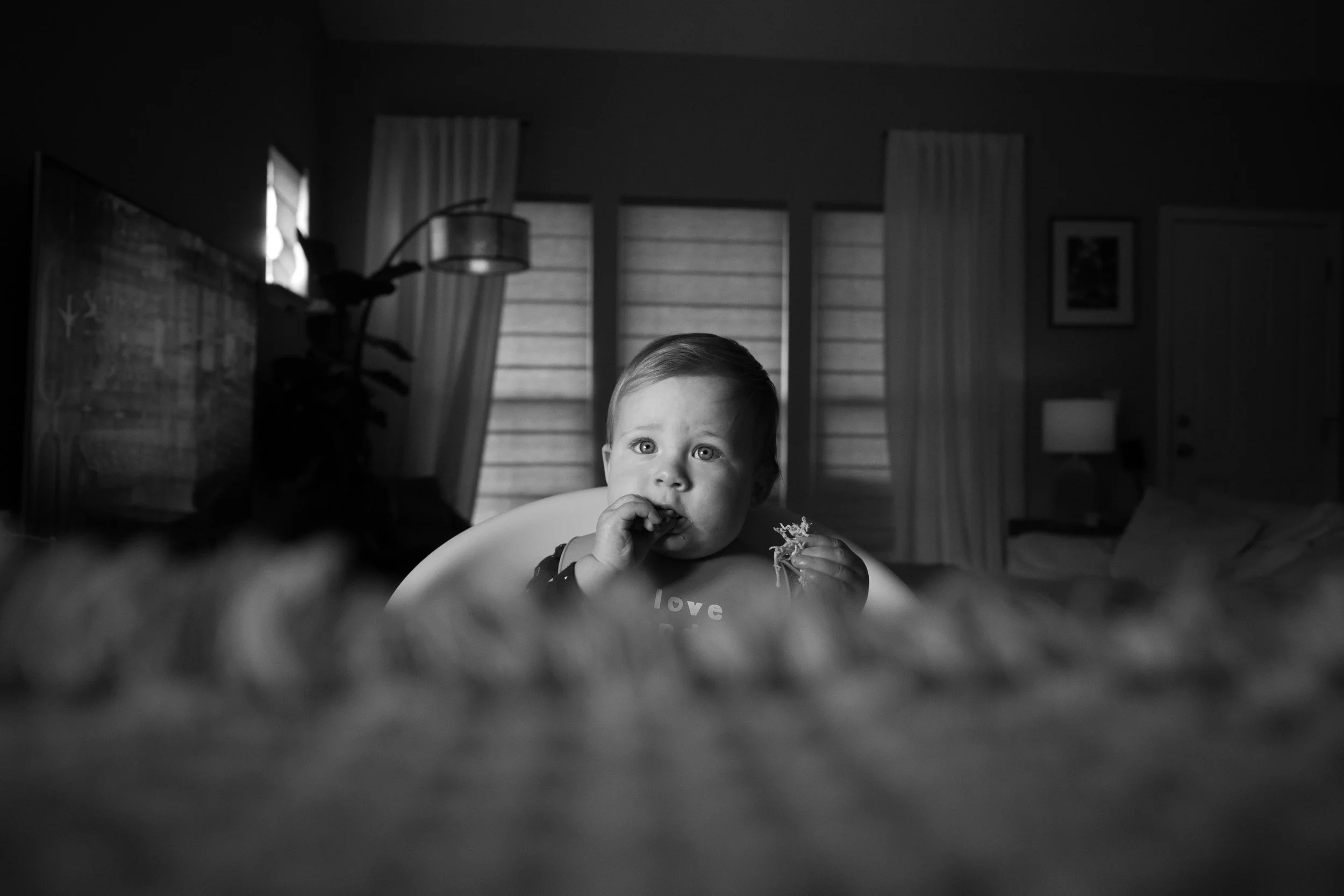
f/2.8 1/180 ISO:20,000
Build Quality and First Impressions Out of the Box
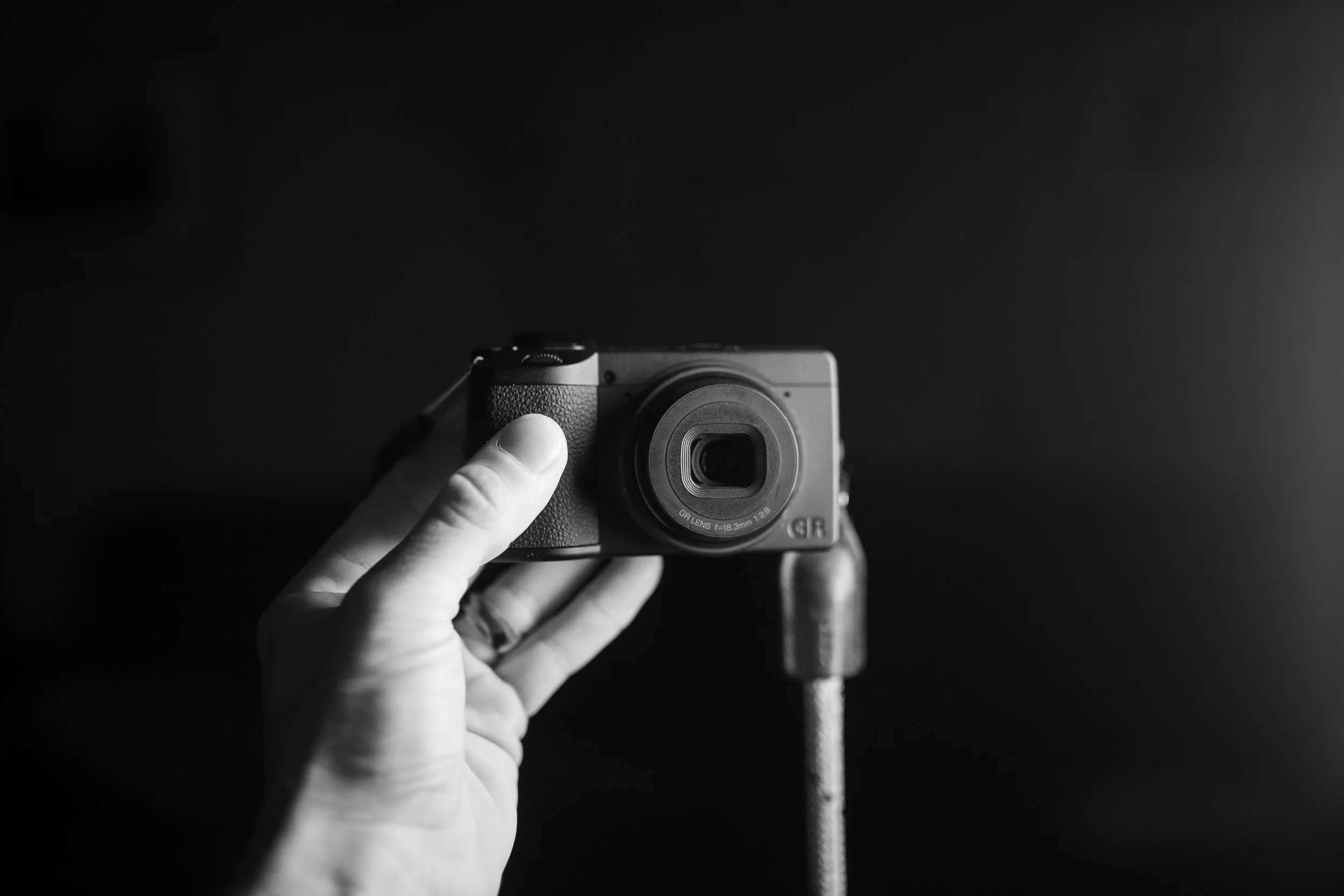
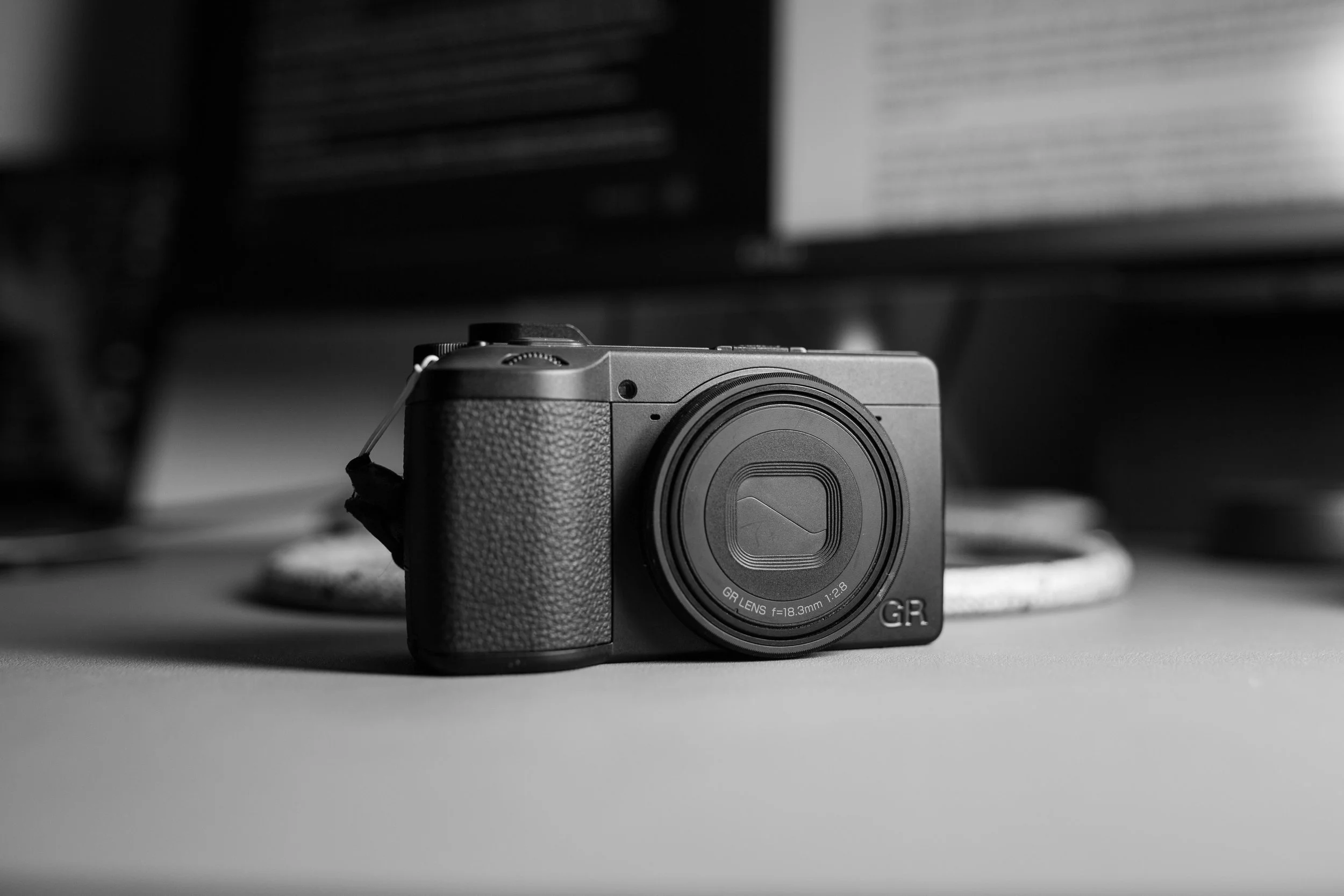
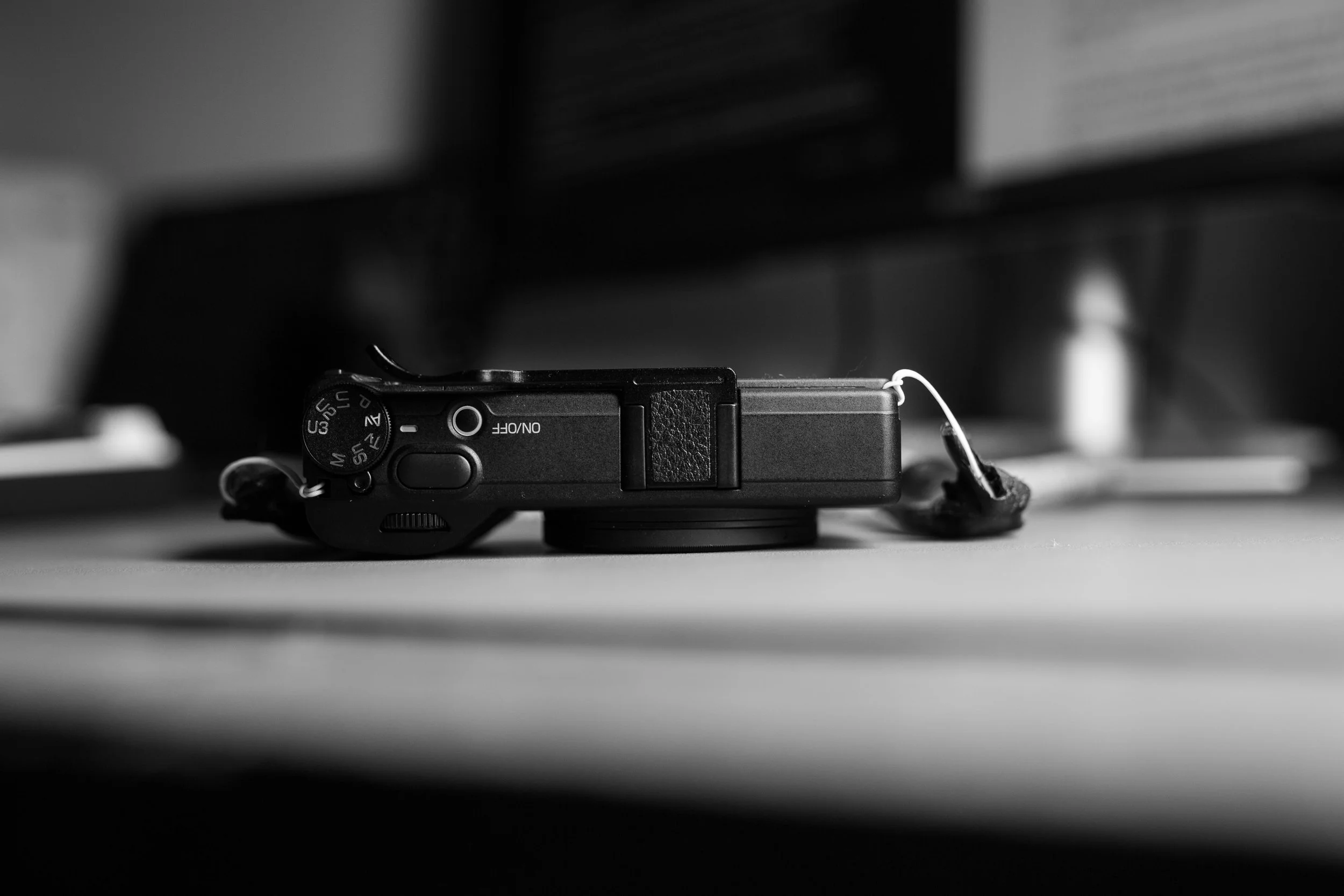
When I unboxed the GR IV Monochrome I was immediately struck by how premium it felt compared to my old GR III. The all matte black finish is exactly right, compact, serious, purposeful. The white halo around the power button is a small detail that somehow makes the whole thing feel intentional. Ricoh leaned fully into the monochrome identity with the design and it shows.
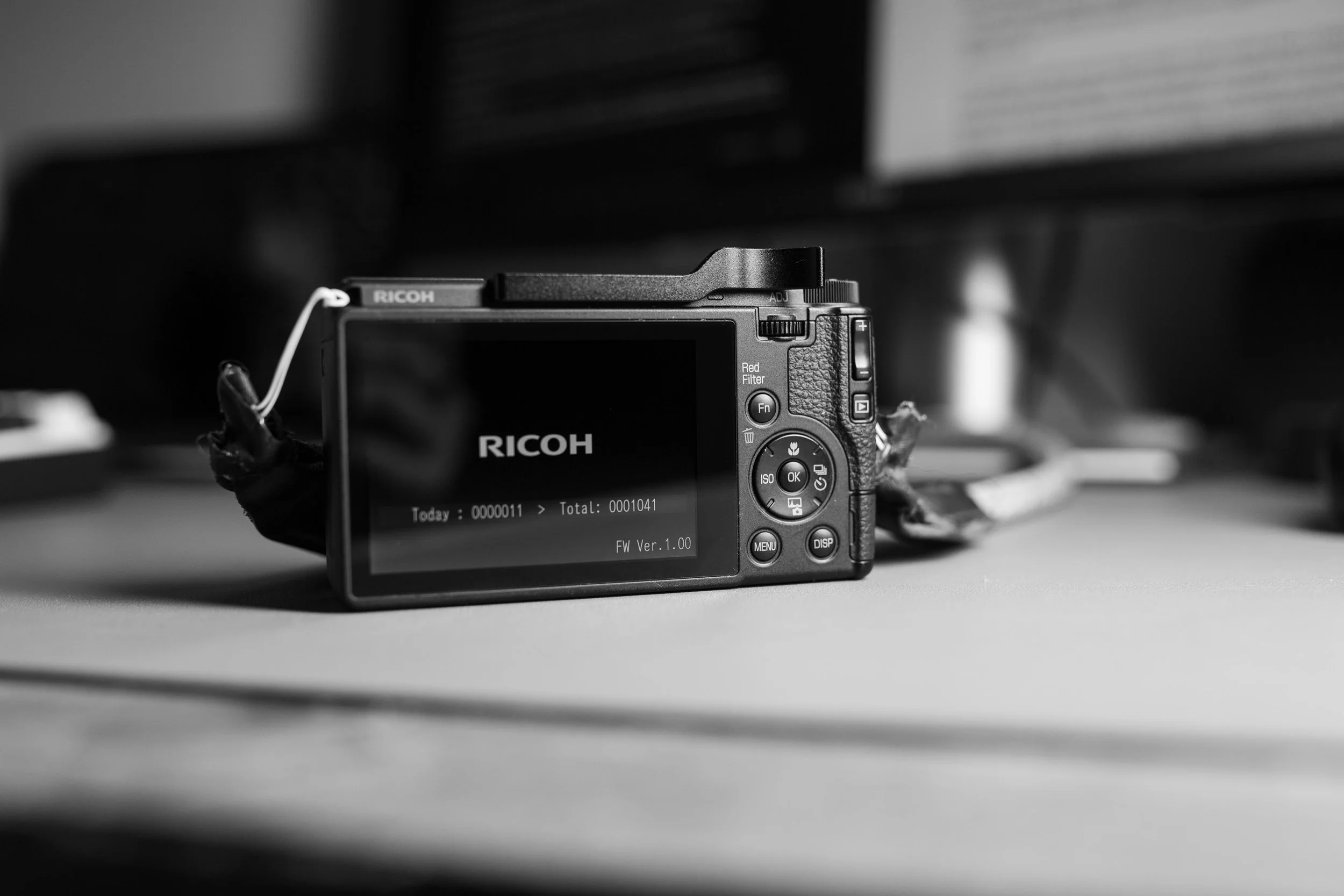
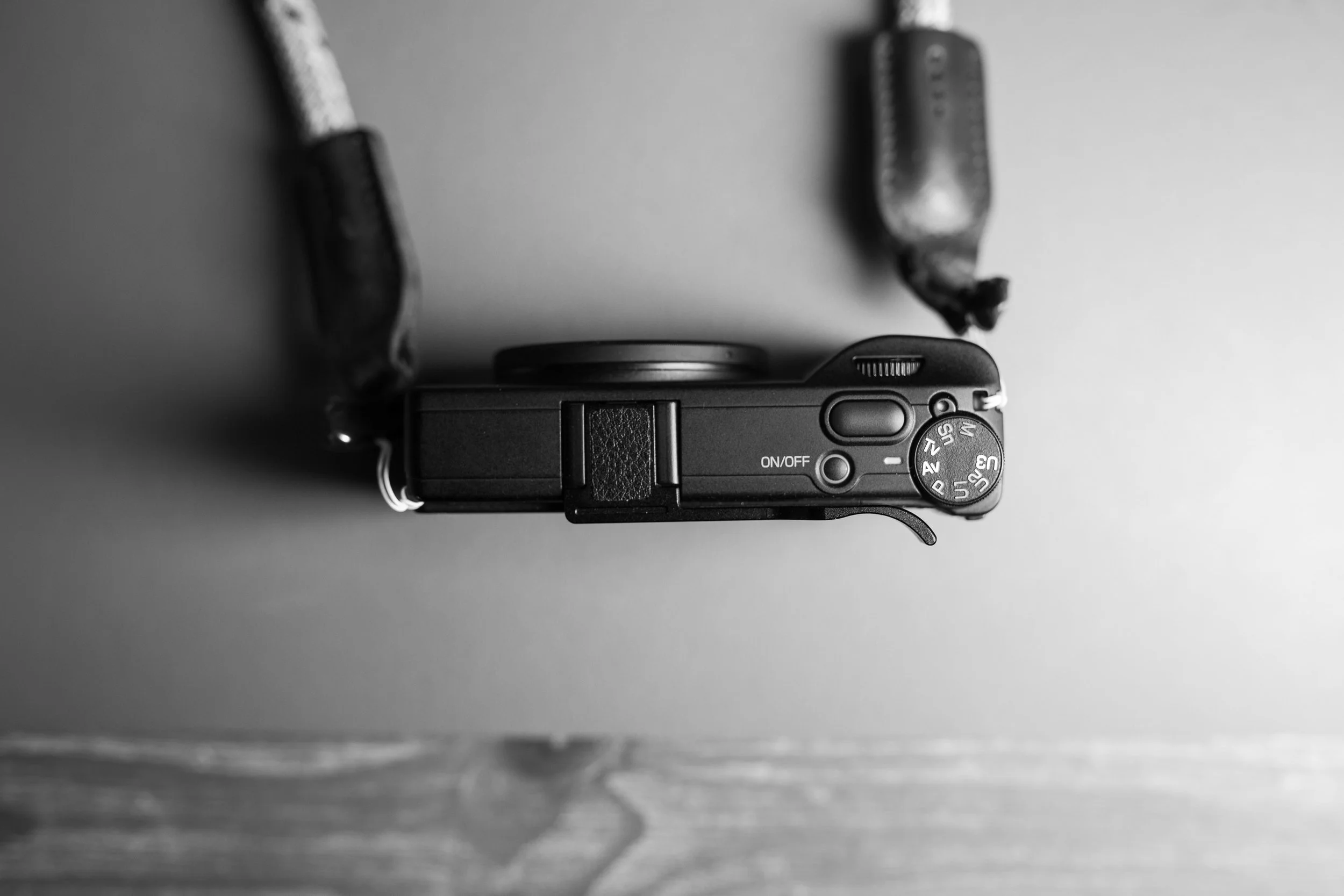
For such a small camera it feels genuinely solid in hand. That said, if you pick one of these up I’d strongly recommend adding a thumb grip + a top down viewfinder attachment (not at the same time but if someone comes up with a thumb grip with a cold shoe mount, sign me up). Both make a real difference in how the camera handles, especially for longer sessions on the street.
One thing nobody warns you about: finding a good neck strap is harder than it should be. The anchor attachment holes on this body are very small, which rules out a lot of standard strap hardware. Plan for that before your first shoot.
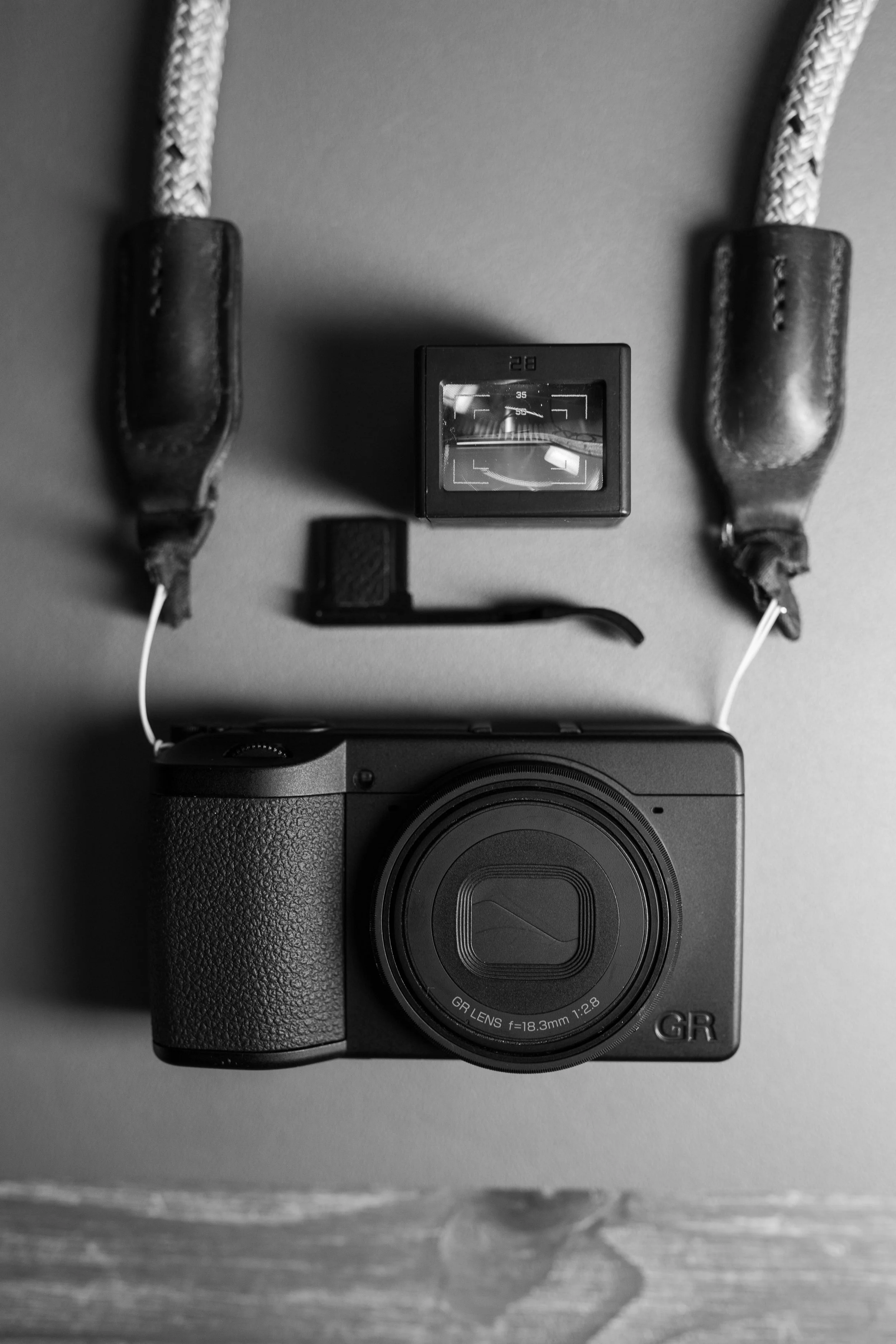
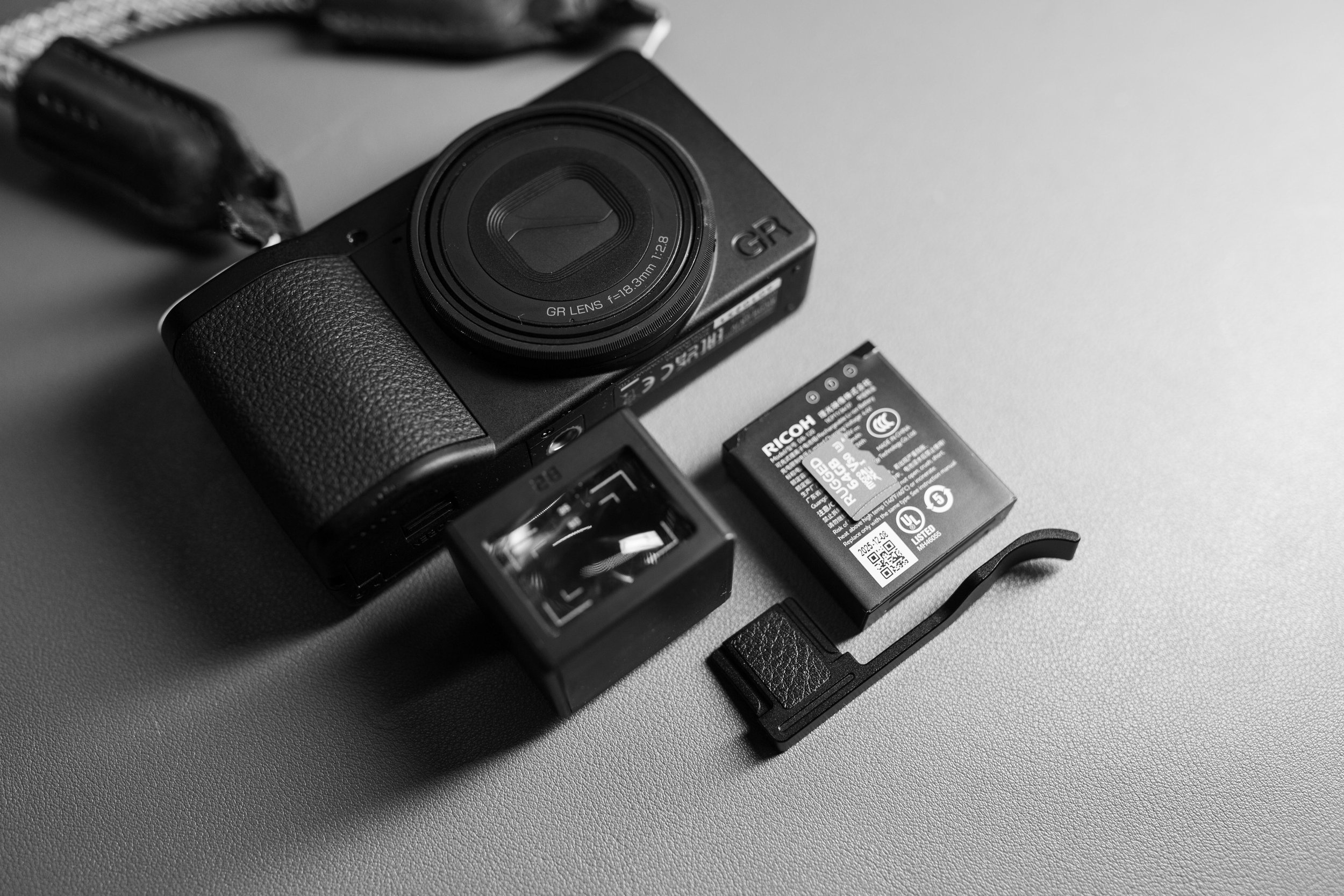
Internal Memory, MicroSD, and Battery Life
Ricoh made an interesting set of tradeoffs with this generation. They gave us internal memory, which I appreciate, but in order to fit the larger battery they had to go with a microSD card slot instead of a standard SD. Honestly, microSD cards are a little fiddly and easy to lose, but having the option to shoot redundantly on a camera this small does elevate it in a meaningful way. It’s a small price to pay.
Battery life is the one area I’d push back on. I shot around 300 frames on a hot day and came back to a dead battery. The CIPA rated estimate is around 250 shots, so that tracks… but it’s still a limitation you need to plan around. I’d recommend picking up at least two extra batteries before you take this out for a full day. The camera also gets noticeably warm during extended use, which is the tradeoff for cramming an APS C sensor and full 5 axis IBIS into a body this small, there’s simply not much room for heat to go anywhere. It’s not a dealbreaker but it’s worth knowing.
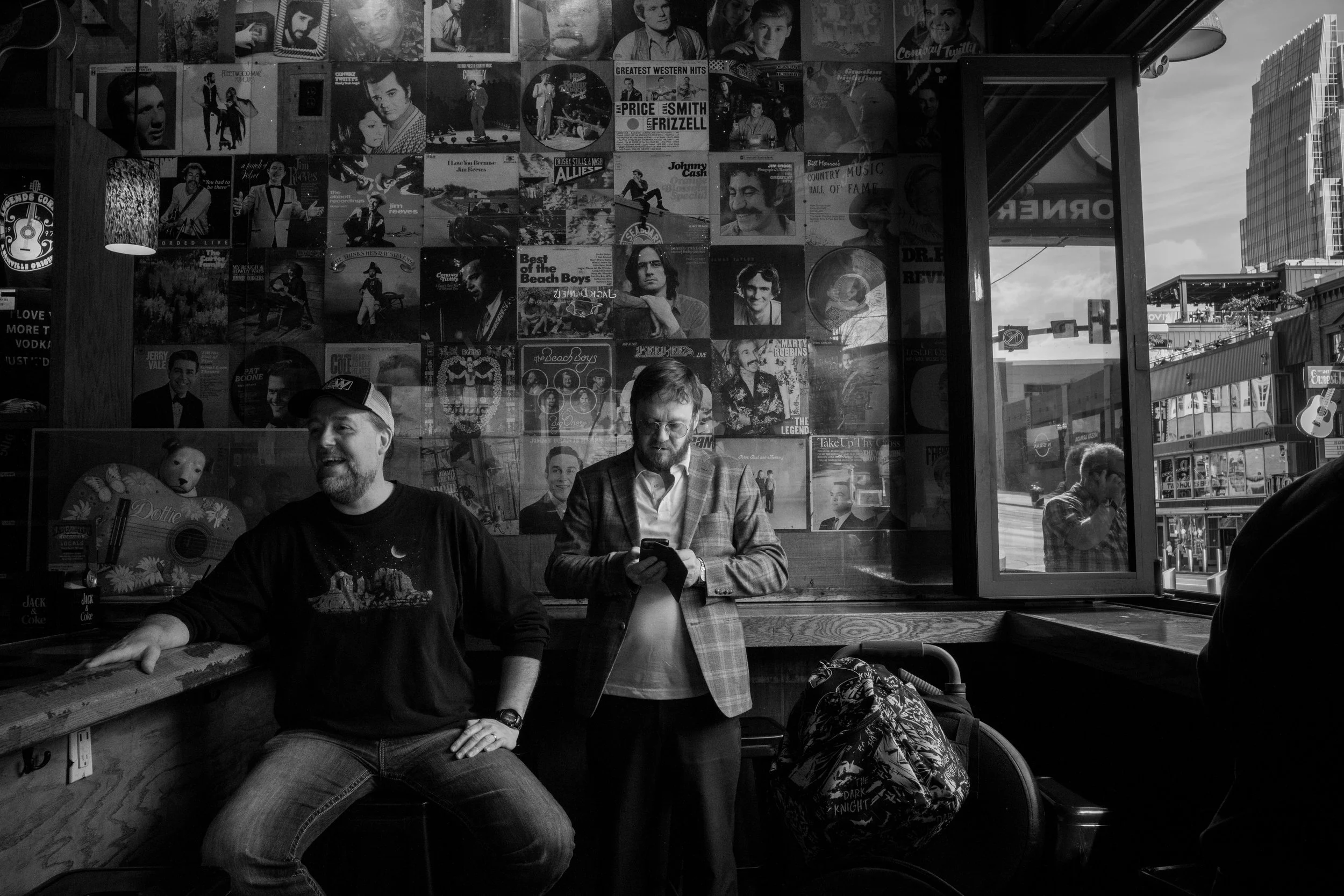
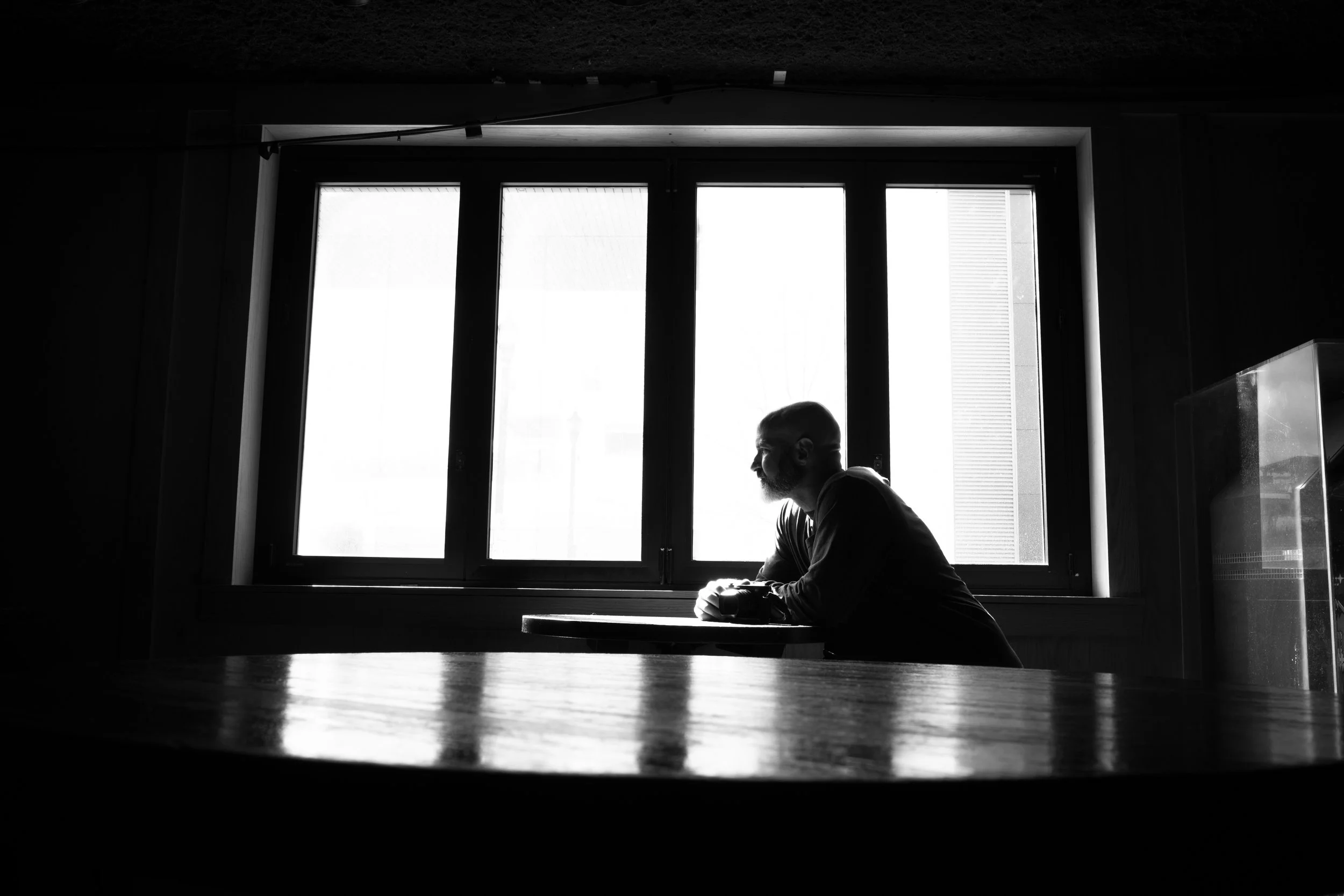
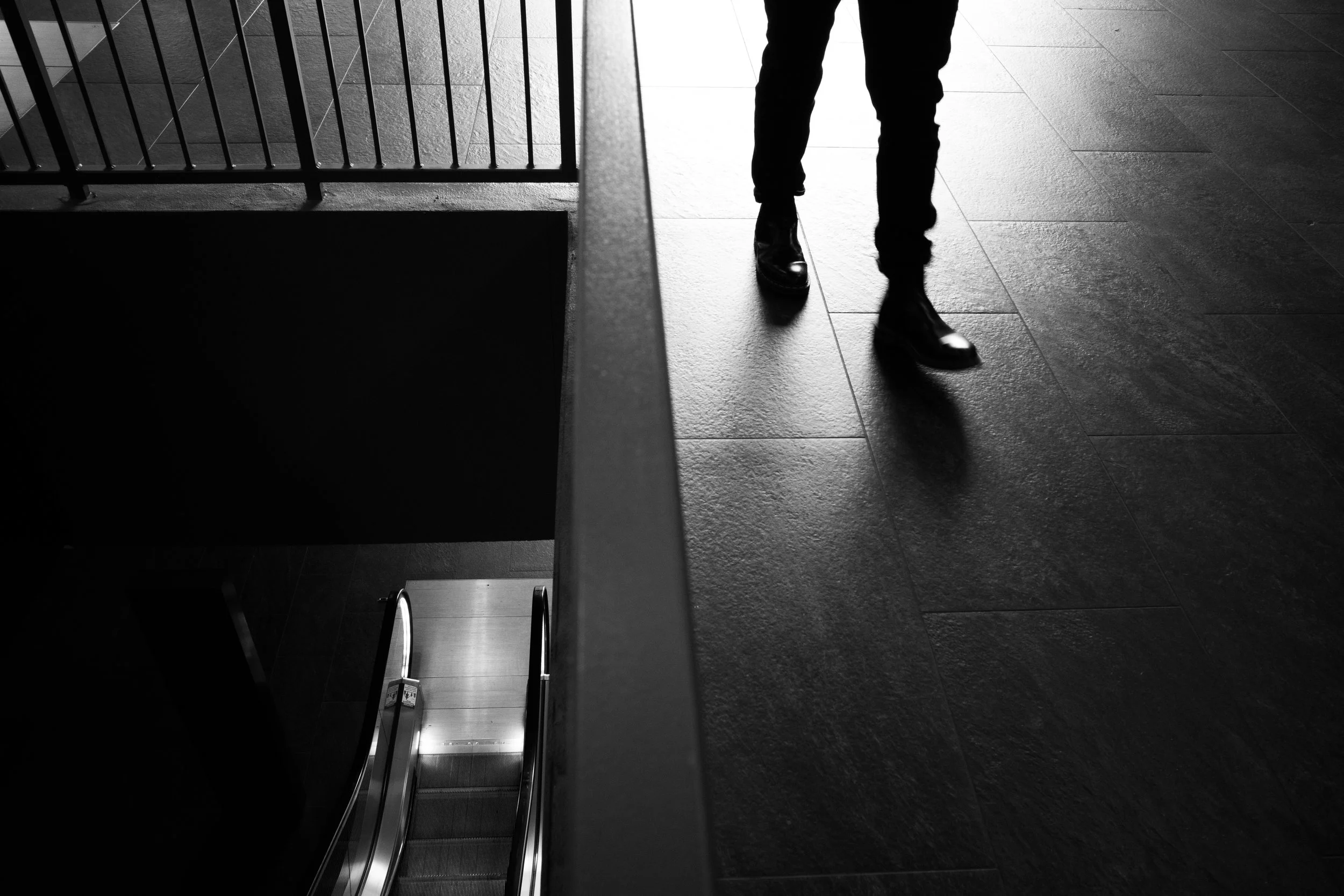
Shooting Experience: What Actually Matters
The new button layout is a nice upgrade. Having dedicated exposure compensation buttons right there is exactly how it should be — I’m shooting in aperture priority and running about −1 exposure pretty consistently to get the look I’m after.
Snap focus remains one of the great unsung features of the GR series. I have mine set to 1.5 meters for street work and shoot between f/8 and f/11. Everything stays sharp, nothing hunts, and I never miss a moment waiting for the camera to think. It’s the closest thing to zone focusing without the manual effort.
The autofocus is a different story. People say it’s improved over previous generations and I believe them, but coming from pro level Nikon, Sony and Fuji bodies, this AF system is a noticeable step down. For street photography it doesn’t matter much because I’m almost always on snap focus anyway. When I do use autofocus I default to single point and recompose, the same way I shot on older DSLR bodies. It works.
The rear screen only experience took some adjustment. No physical viewfinder means you’re shooting off a flat panel like a phone, which changes how you engage with the scene. I’ve actually found it freeing in a weird way, it’s a different challenge and I’ve found myself composing and documenting differently because of it.
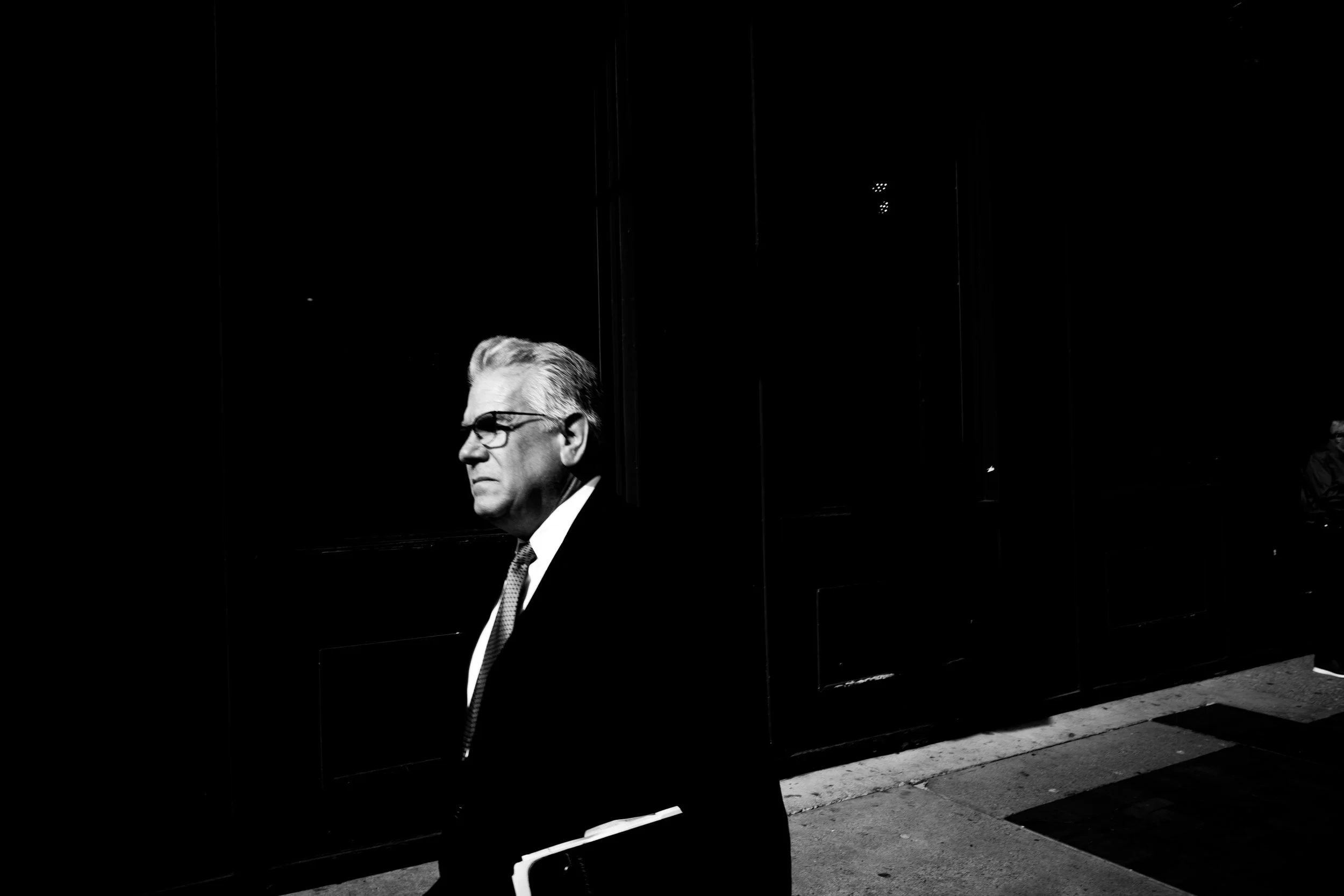
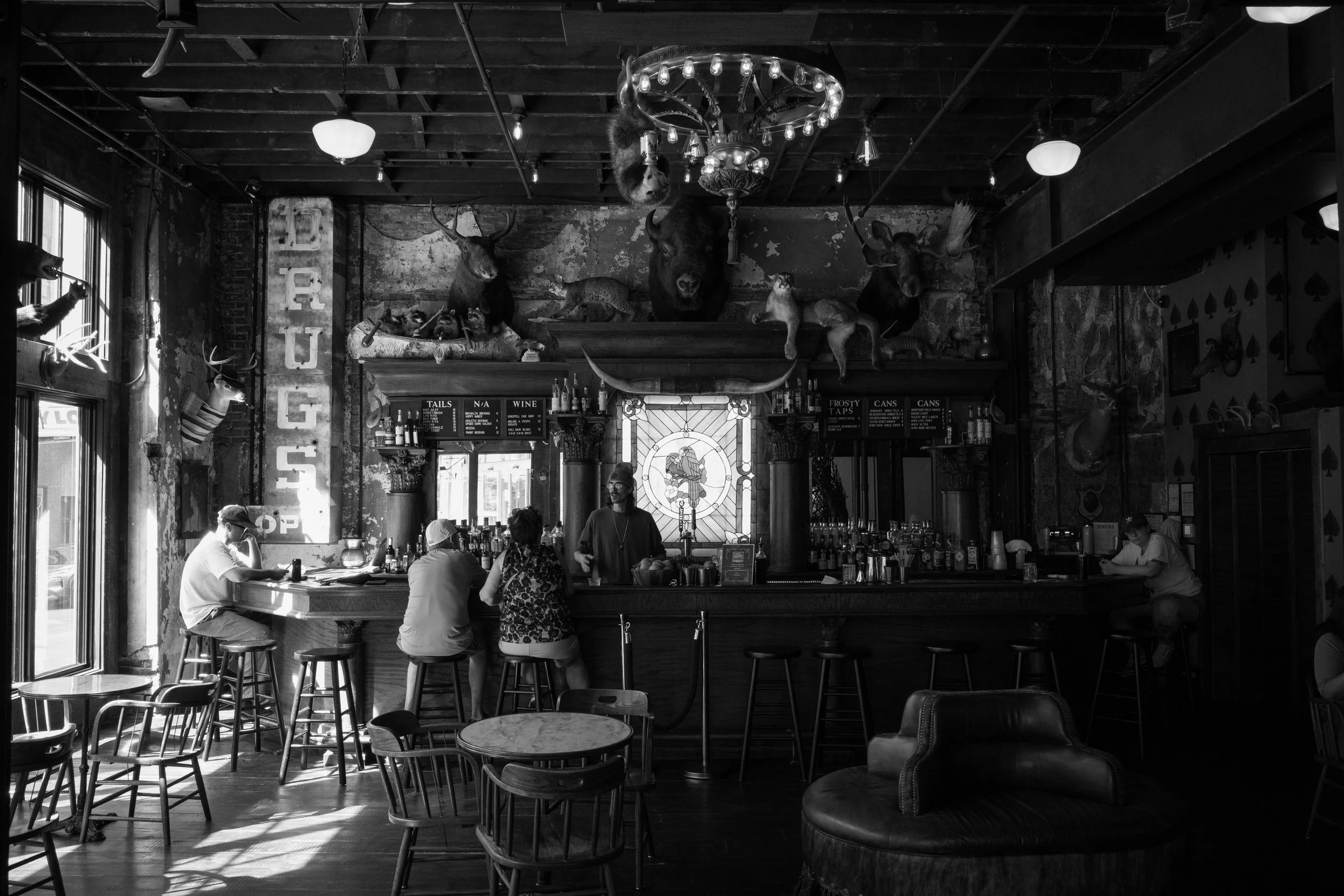
The biggest benefit I’ve noticed in real shooting conditions is how the camera handles mixed lighting. When you’re not worrying about color balance or color casts, every light source becomes usable. Tungsten mixed with daylight mixed with neon? Doesn’t matter. All of it just becomes tonal information. All light turns into good light. That shift in mindset alone has made me a more confident shooter.
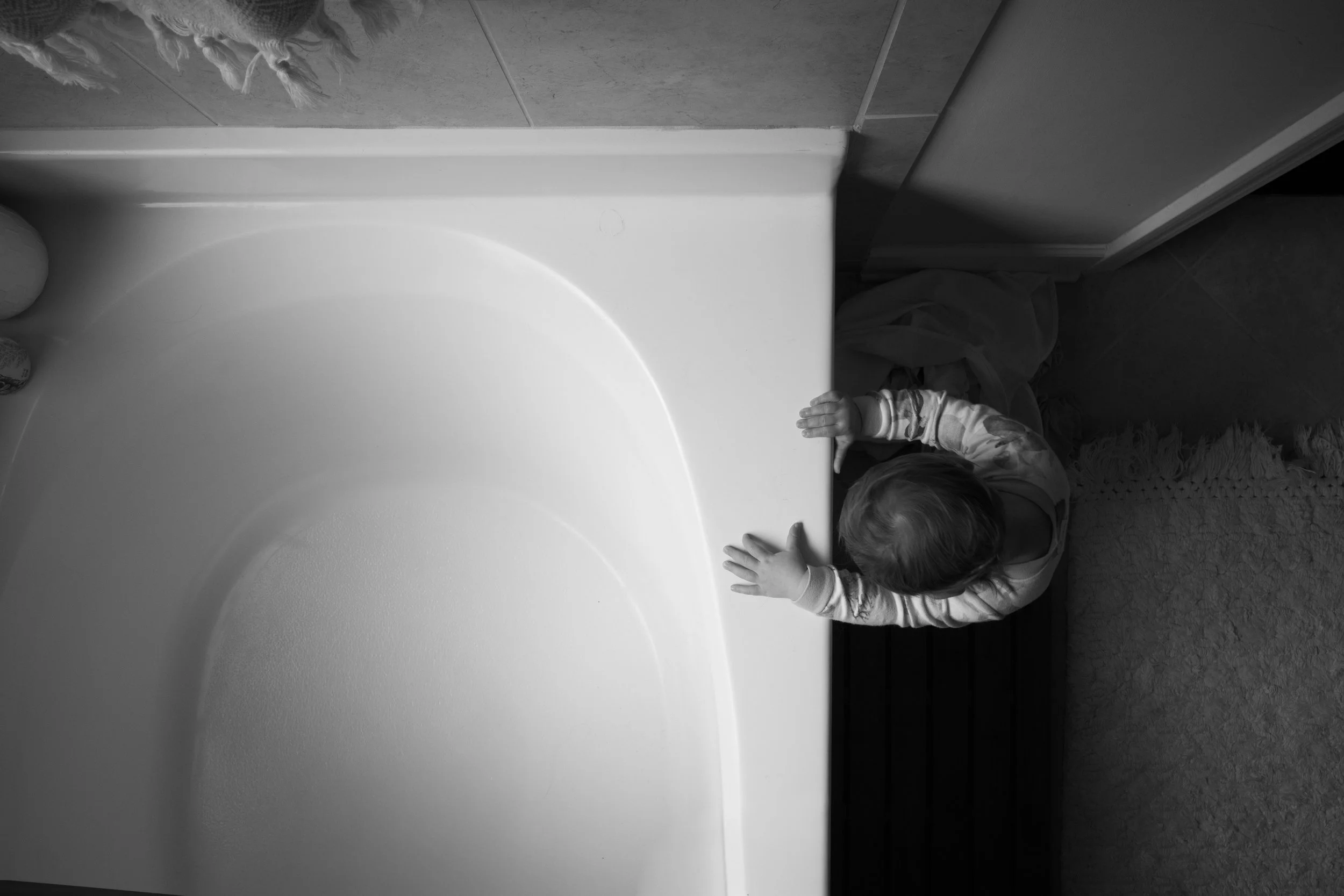
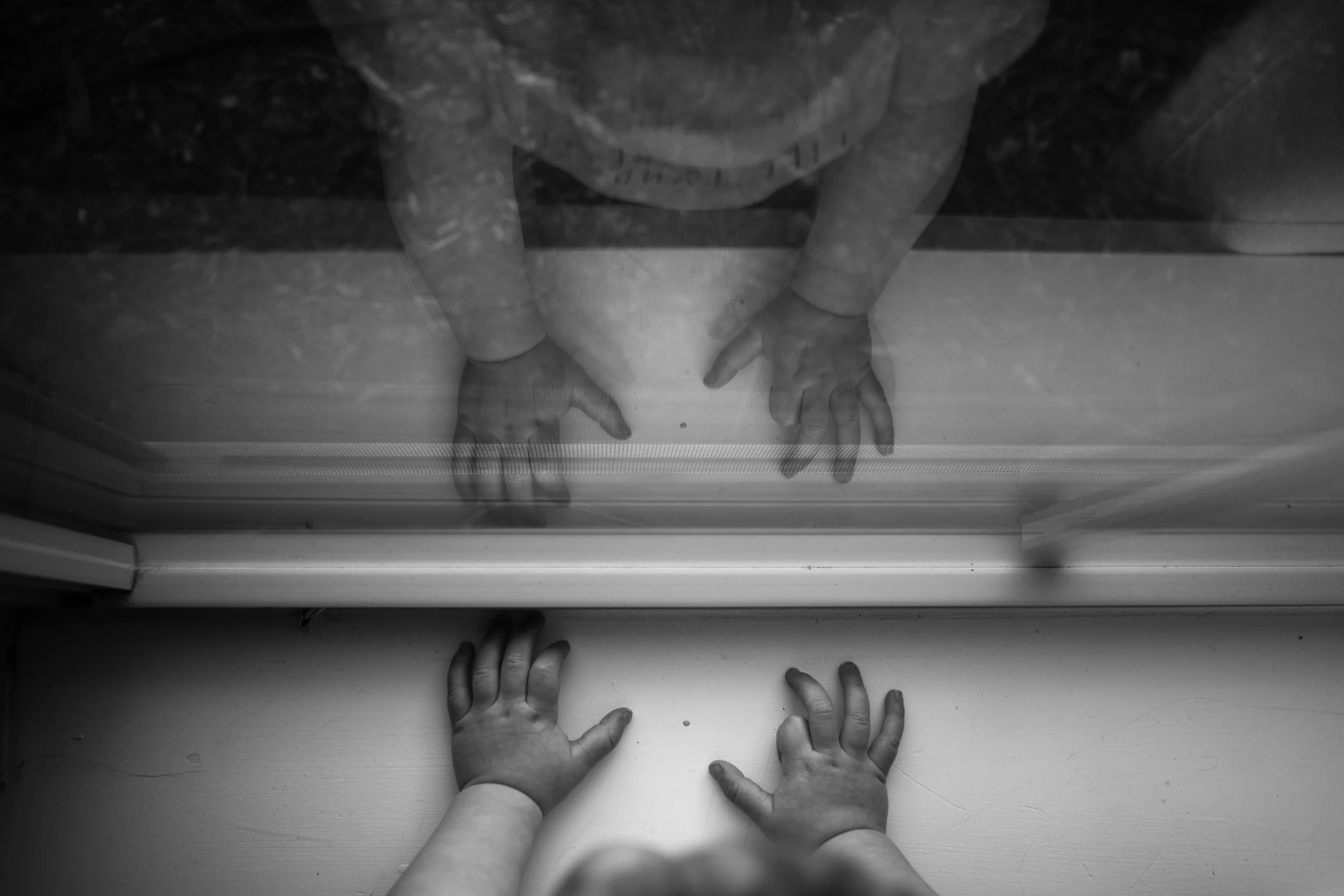
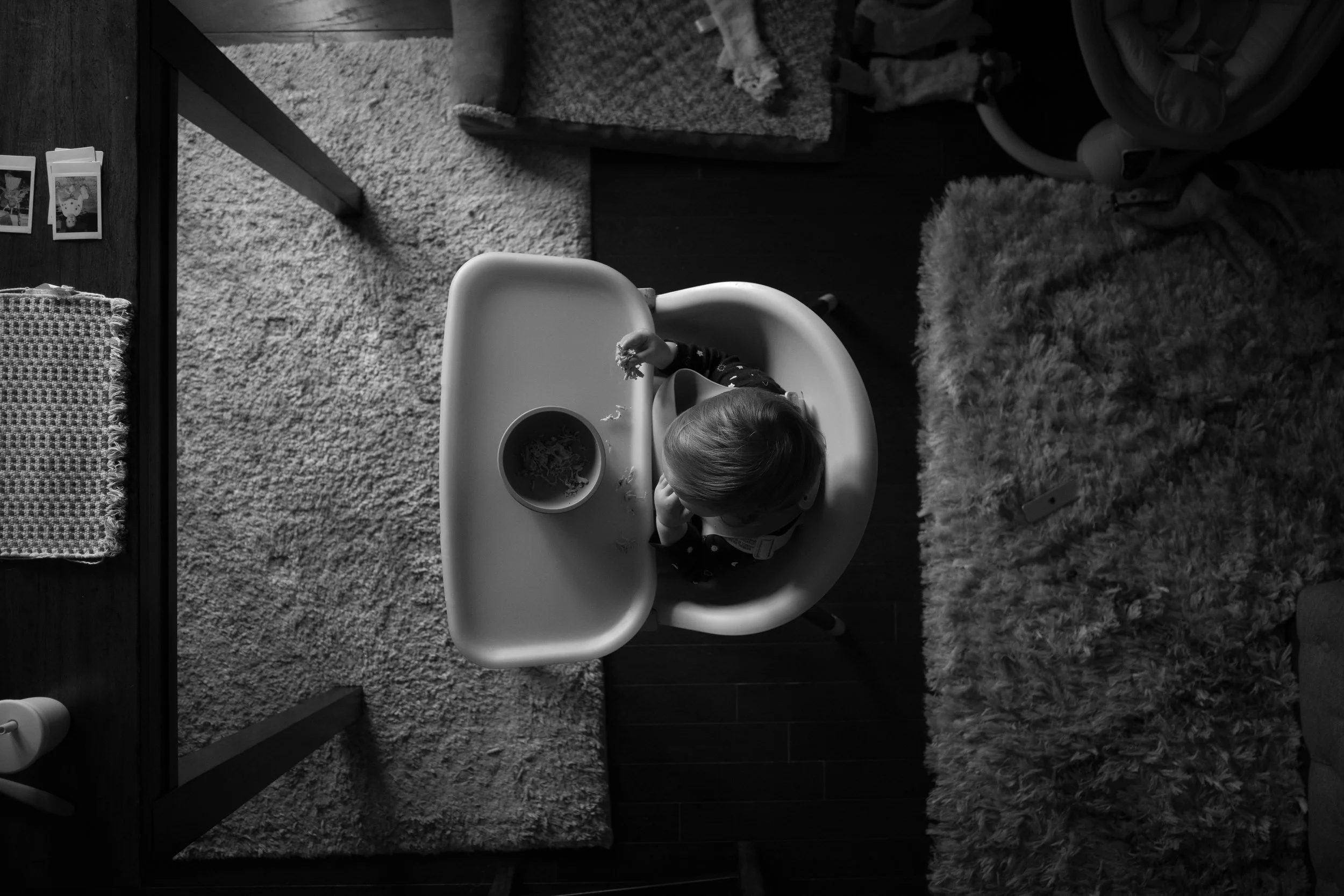
6 Stops of IBIS in Your Pocket
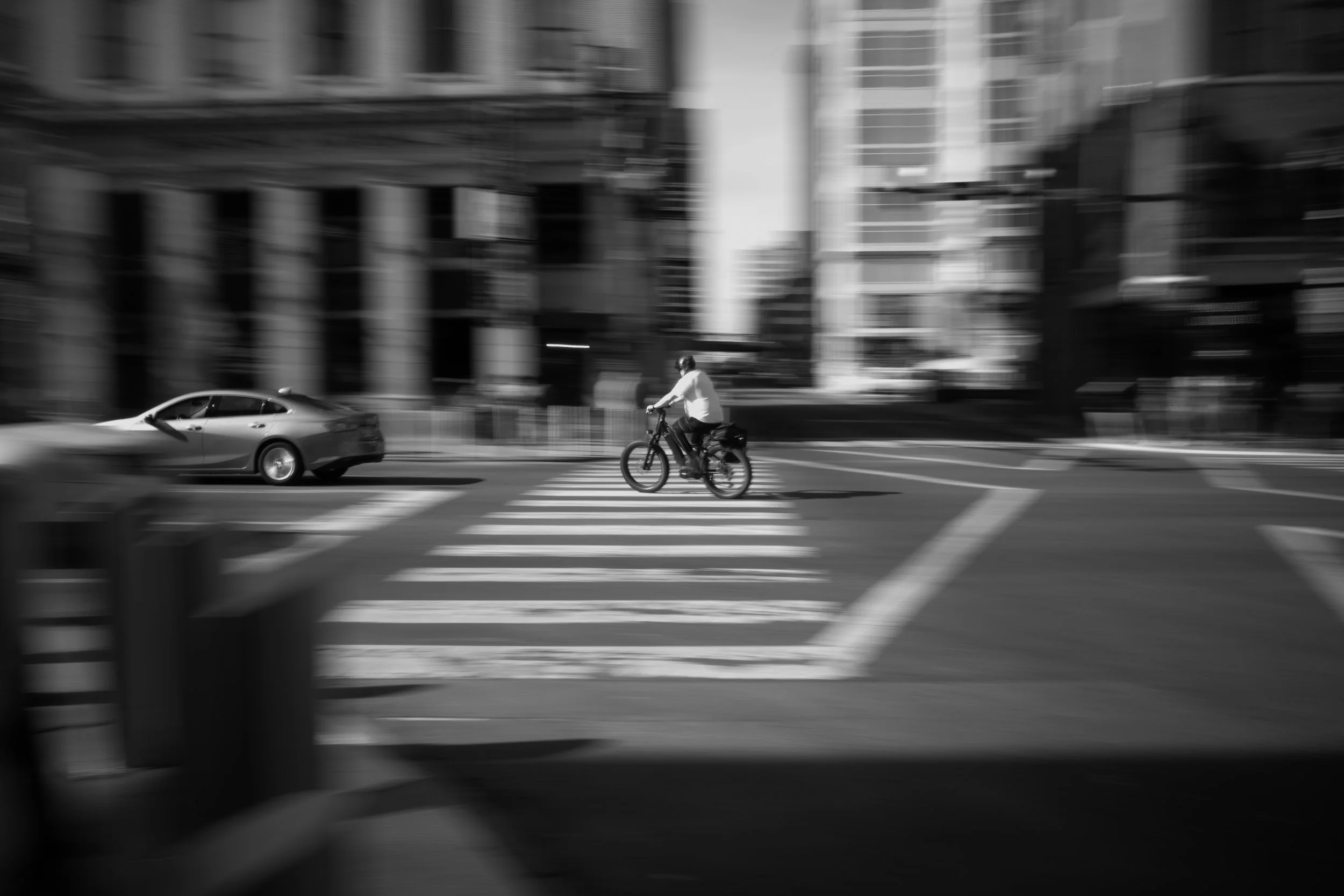
I want to talk about the IBIS for a second because it is genuinely impressive for a camera this size. The 5 axis system is rated at up to 6 stops of correction at center, which means you can handhold at shutter speeds that would be completely unrealistic on any previous GR body. For low light street work and documentary shooting this is a massive deal. The fact that Ricoh managed to fit this level of stabilization into a body that fits in your front pocket is the kind of engineering that deserves more attention than it gets.
28mm Is My Favorite Focal Length and This Is Why
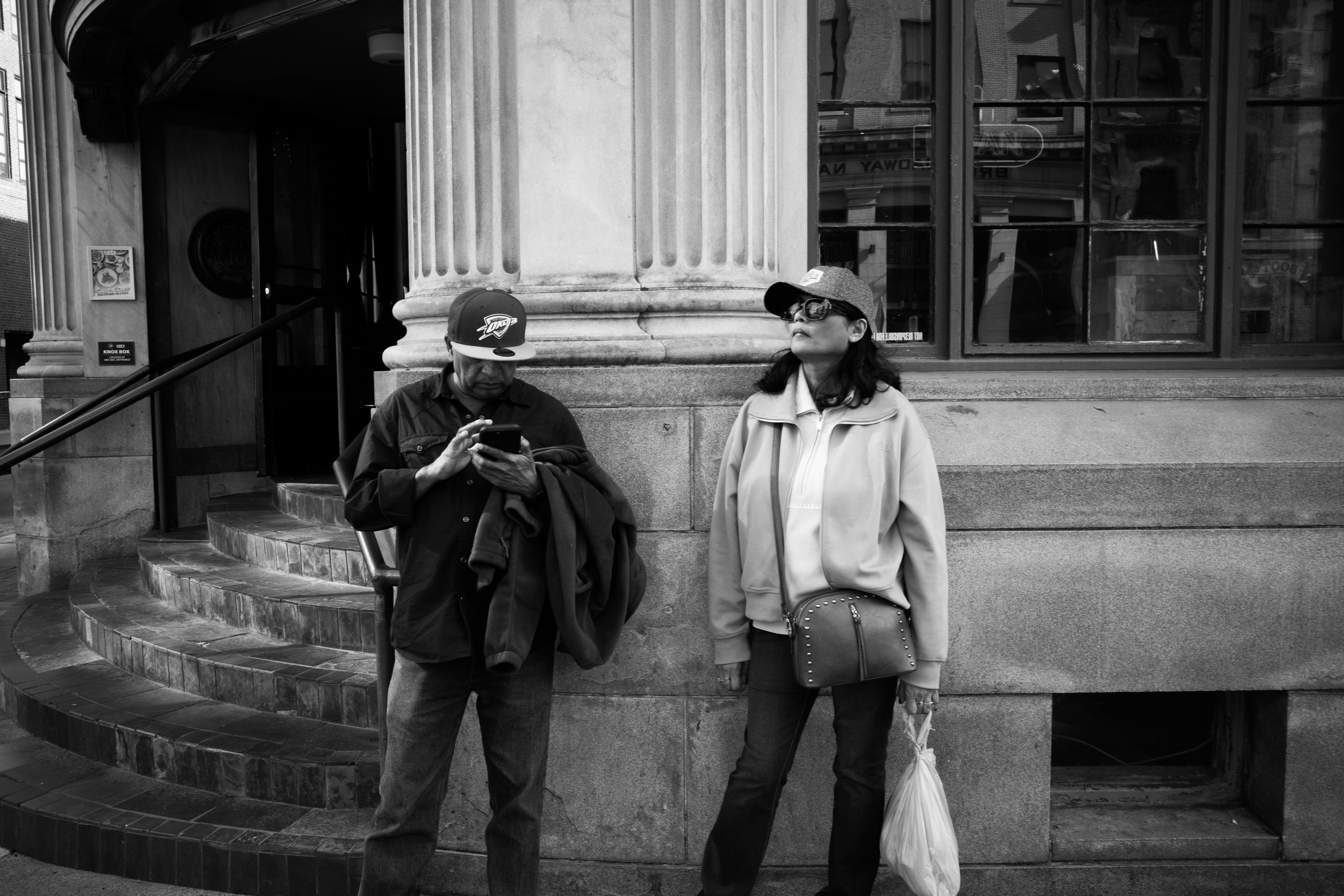
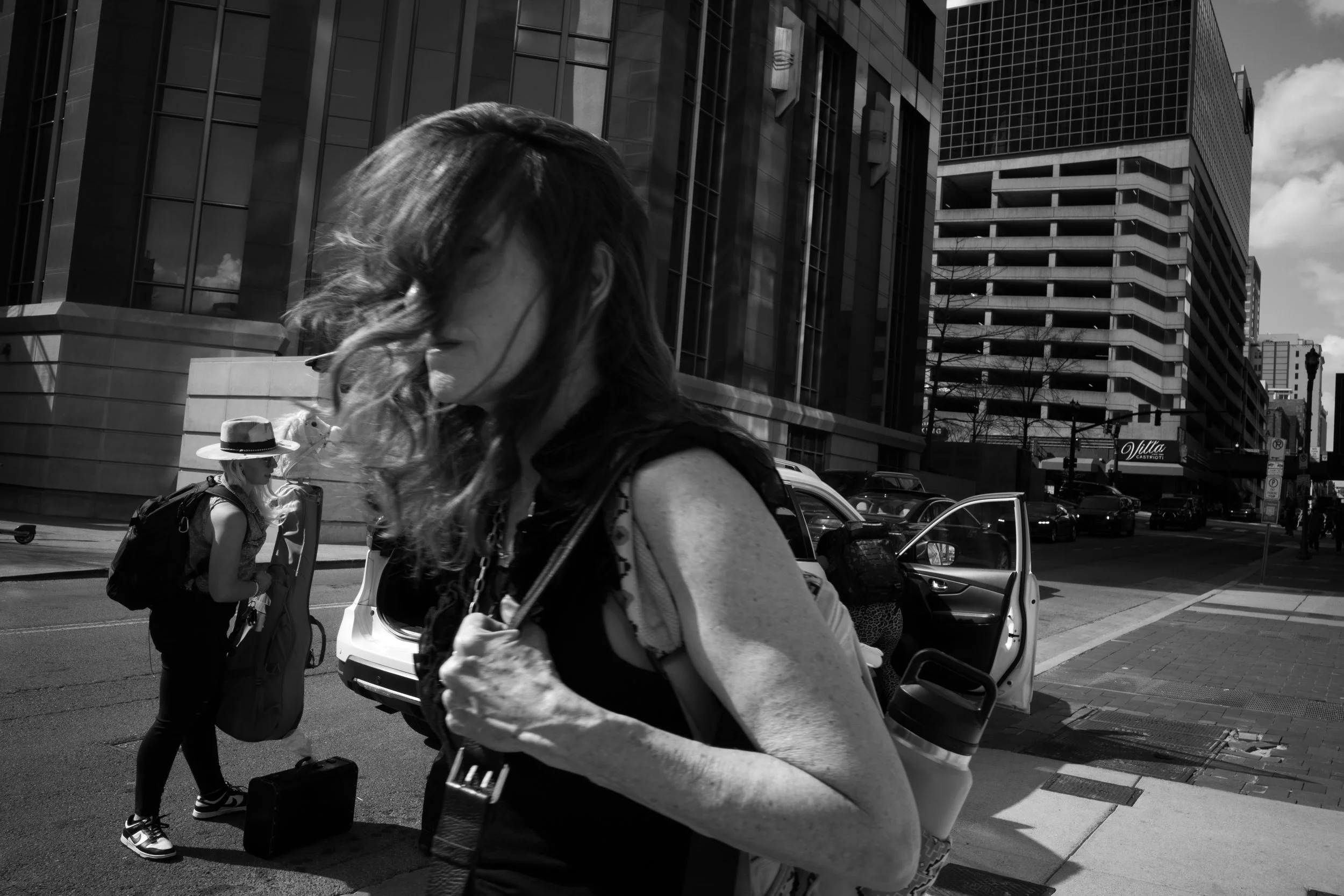
28mm equivalent is where I live. I like to get physically close to my subjects (and wide establishing shots), and with a wider lens the proximity shows in the image in a way that a longer focal length simply can’t replicate. When you shoot at 50mm or longer and get tight on someone, the compression flattens the relationship between photographer and subject. At 28mm, the viewer can feel that you were there in the moment, in the space, close enough that it meant something. That intimacy is built into this lens and it’s one of the main reasons this camera works so naturally for the way I shoot.
A Note on Where the Industry Should Go
Shooting this camera has made me realize more manufacturers should be doing this. A monochrome version of the Fujifilm X100(M?) series would sell out immediately, but that would require Fujifilm to do something right, and I’m not holding my breath. Ricoh got there first and they got it right.
Who This Camera Is For
At this point I’ve put over 1,000 images through this camera across street, studio, and home. That’s enough to know this isn’t buyer’s excitement talking.
The GR IV Monochrome is expensive. At $2,200 it’s a serious commitment, and I won’t pretend otherwise. Carry extra batteries. Budget for a compatible neck strap. Embrace the microSD.
But this camera is not for someone who shoots black and white occasionally or thinks they might get into it someday. It is for someone like me, someone who already lives in monochrome, who has wanted a dedicated black and white camera for years, and who will happily pay the premium to shoot that way exclusively. I even have a dedicated instagram @hunterhartmono . Because the tradeoff isn’t losing color. The tradeoff is gaining clarity. No choice paralysis when I sit down to edit. No color grading rabbit holes. Just light, shadow, and tone.
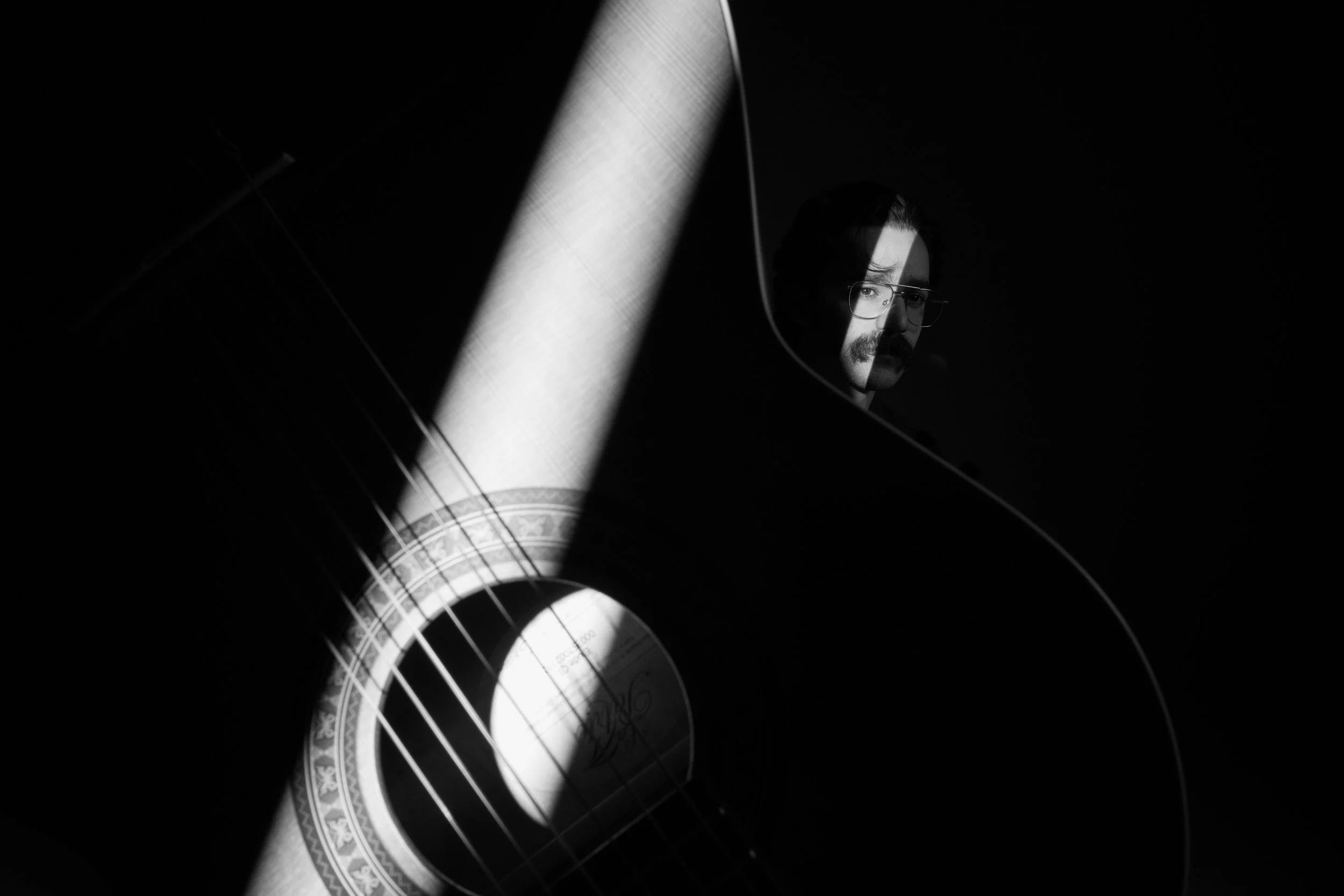
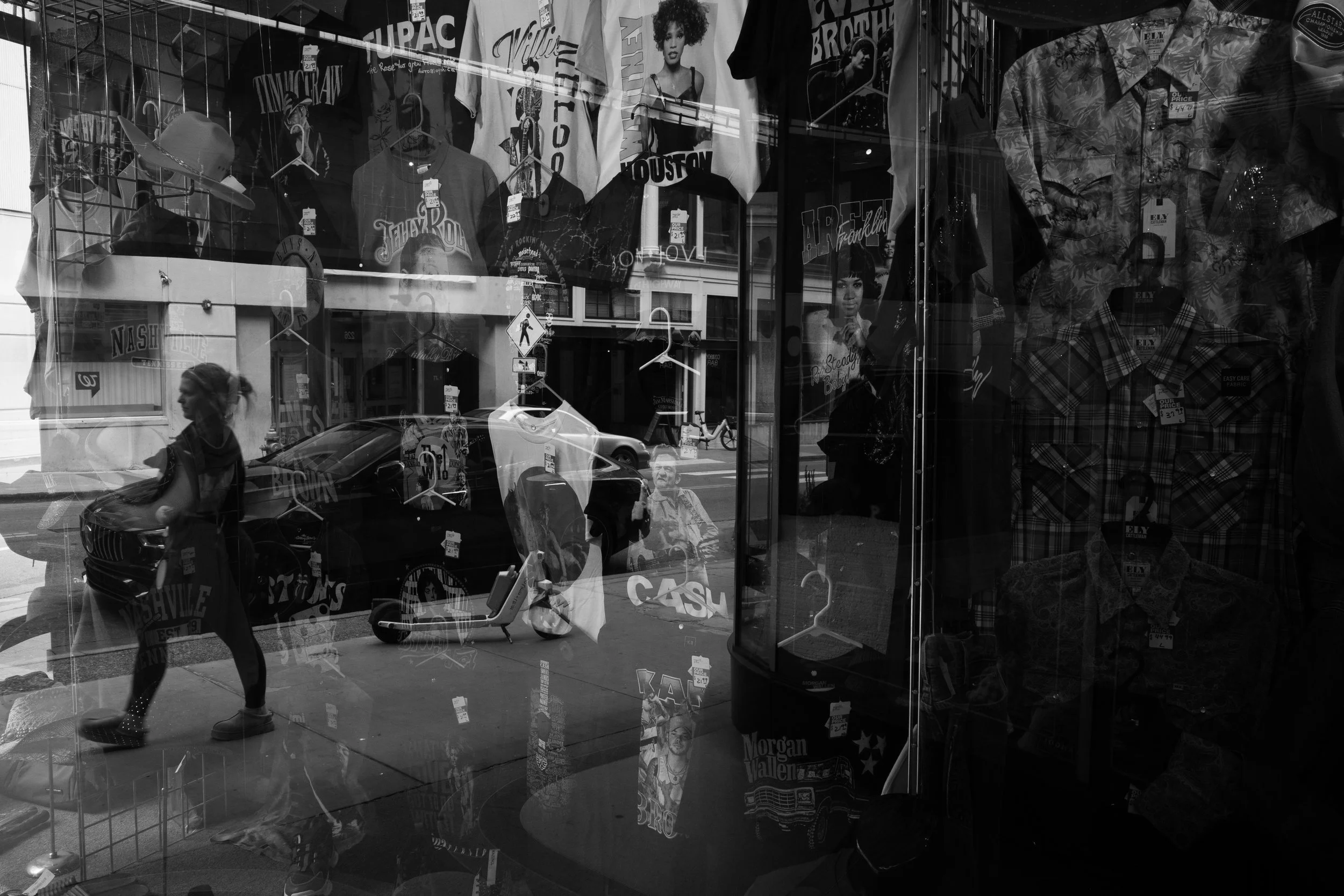
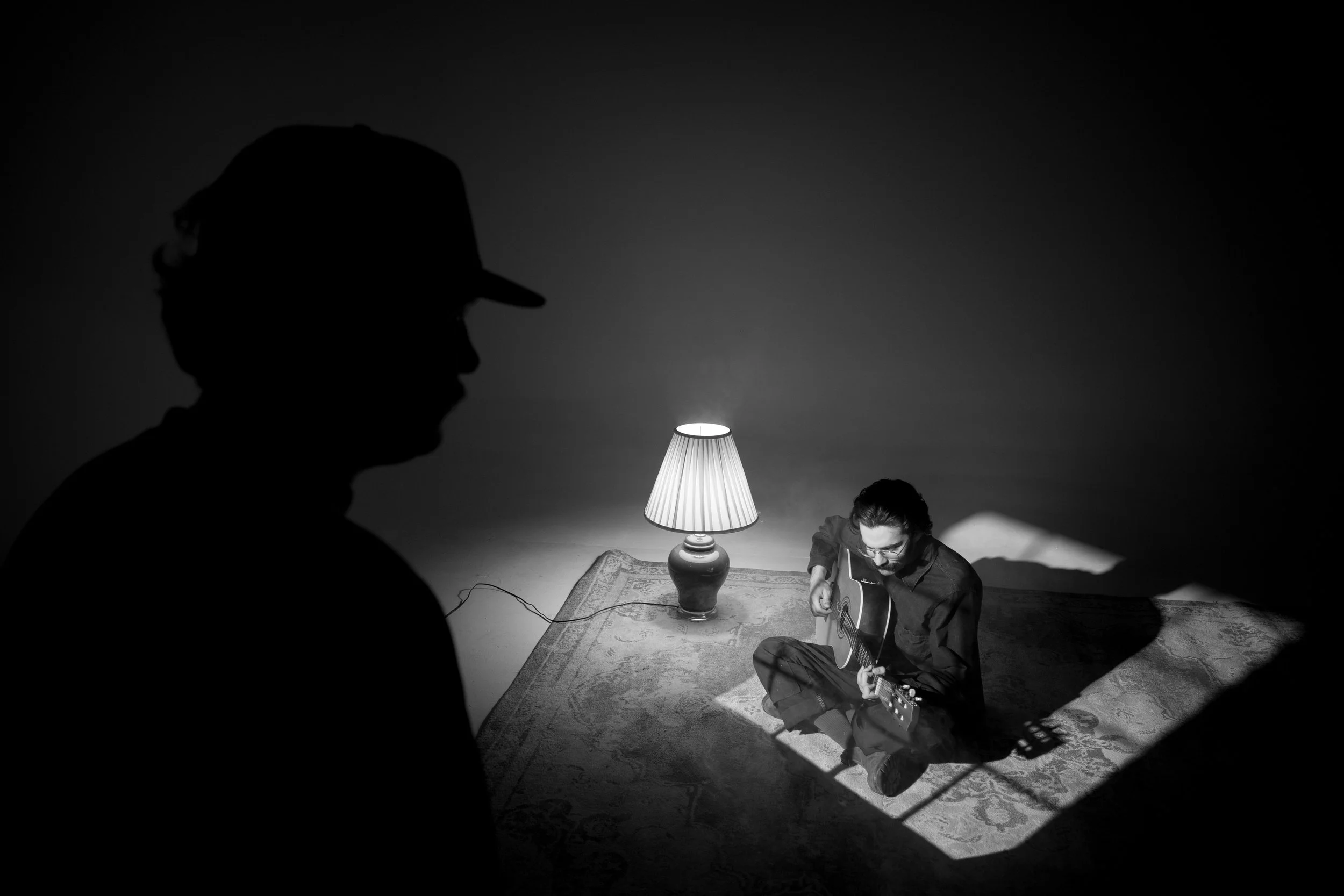
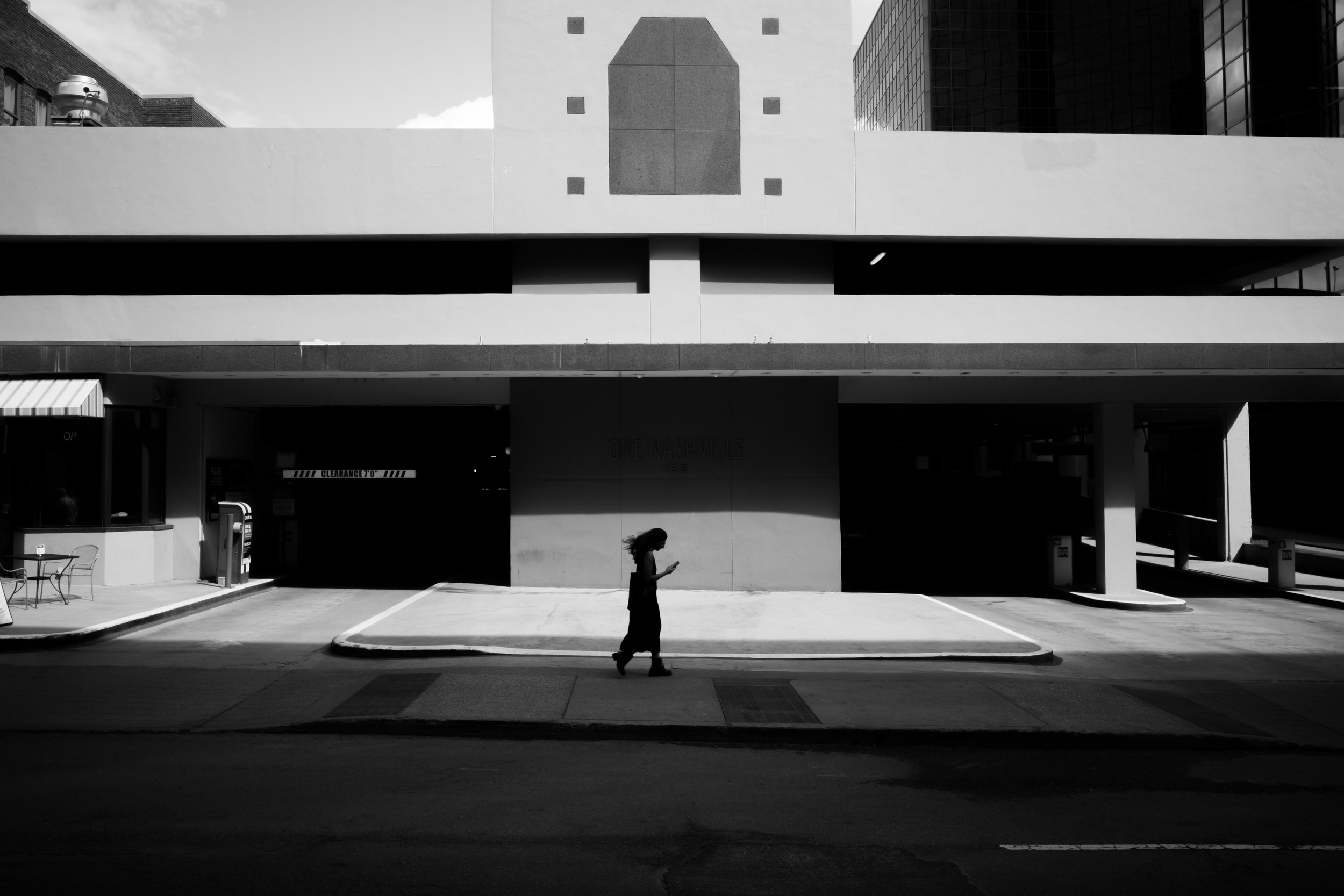
I hope the photos throughout this post speak for themselves. I was genuinely inspired making them. This camera has already changed how I see.